

When it comes to residential projects, few concepts have influenced the modern principles of design as much as ‘flow’. As homes open up, how do sliding doors and their hardware inspire superior spatial flow?
Space and movement are highly valued commodities in modern homes. In response, architects and specifiers are now embracing flexible layouts that encourage seamless room-to-room transitions, elevating spatial flow into a defining feature of residential design.
Spatial flow is widely referred to as how effortlessly people, air and natural light move throughout a space. For some, it can be mistaken as a simple by-product of open-plan layouts and wide passageways, but more accurately, spatial flow is a conscious design choice focused on reducing barriers. A well-designed home should guide occupants naturally, reduce congestion and encourage fresh air and natural daylight circulation through connected spaces such as, kitchens, dining rooms and living areas.
Above all, flow should support daily life, and for many decision makers, sliding doors have become a key tool in achieving this balance. Unlike traditional hinged doors, sliding doors operate along a fixed track, eliminating the need for swing clearance and minimising spatial disruption. As a result, sliding door configurations offer greater flexibility and allow rooms to remain functional regardless of door position, supporting smoother circulation throughout the home.
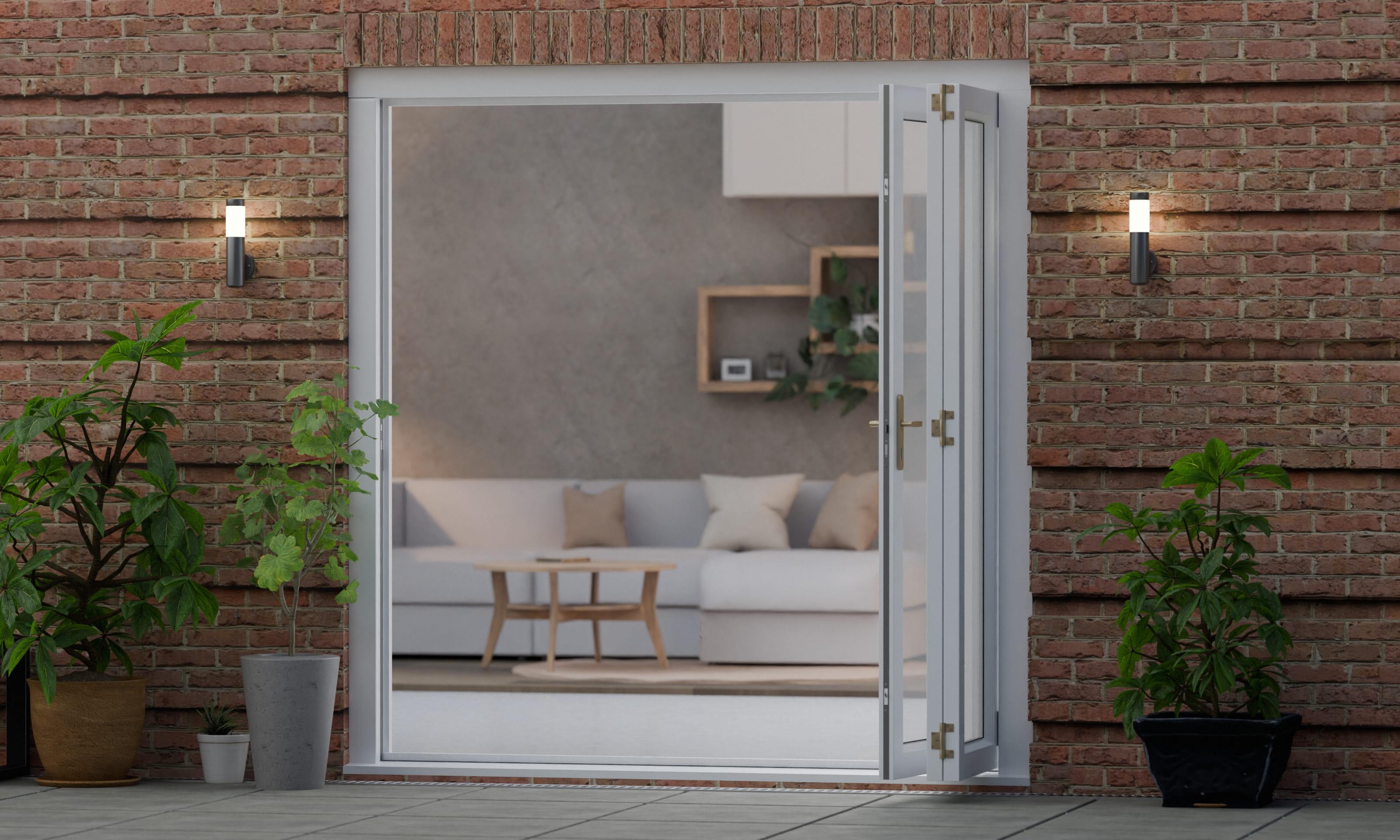
Beyond easing the flow of movement, sliding door systems can also strengthen the connection between indoor and outdoor living spaces. Large sliding doors, for example, can open up entire walls on the exterior of a property, creating seamless transition between the home and garden. In this instance, flow not only refers to physical movement, but also the distribution of daylight and air throughout the connected space. By reducing the barriers between inside and outside areas, sliding doors allow natural light to travel deeper into other rooms, reducing the reliance on artificial lighting, whilst improved ventilation and natural airflow can enhance comfort and contribute to a home’s energy efficacy.
Sliding door systems play an equally important role in enhancing visual flow and offer a greater balance between openness and privacy. Sliding door panels can disappear from view when open, helping to create clearer sightlines and a greater sense of space. When closed, glazed panels are able to maintain visual connection to outdoor environments whilst also preserving comfort and security. Moving inside the home, sliding doors can also help spaces to feel larger and more connected when open, whilst providing the flexibility to create instant privacy when needed.
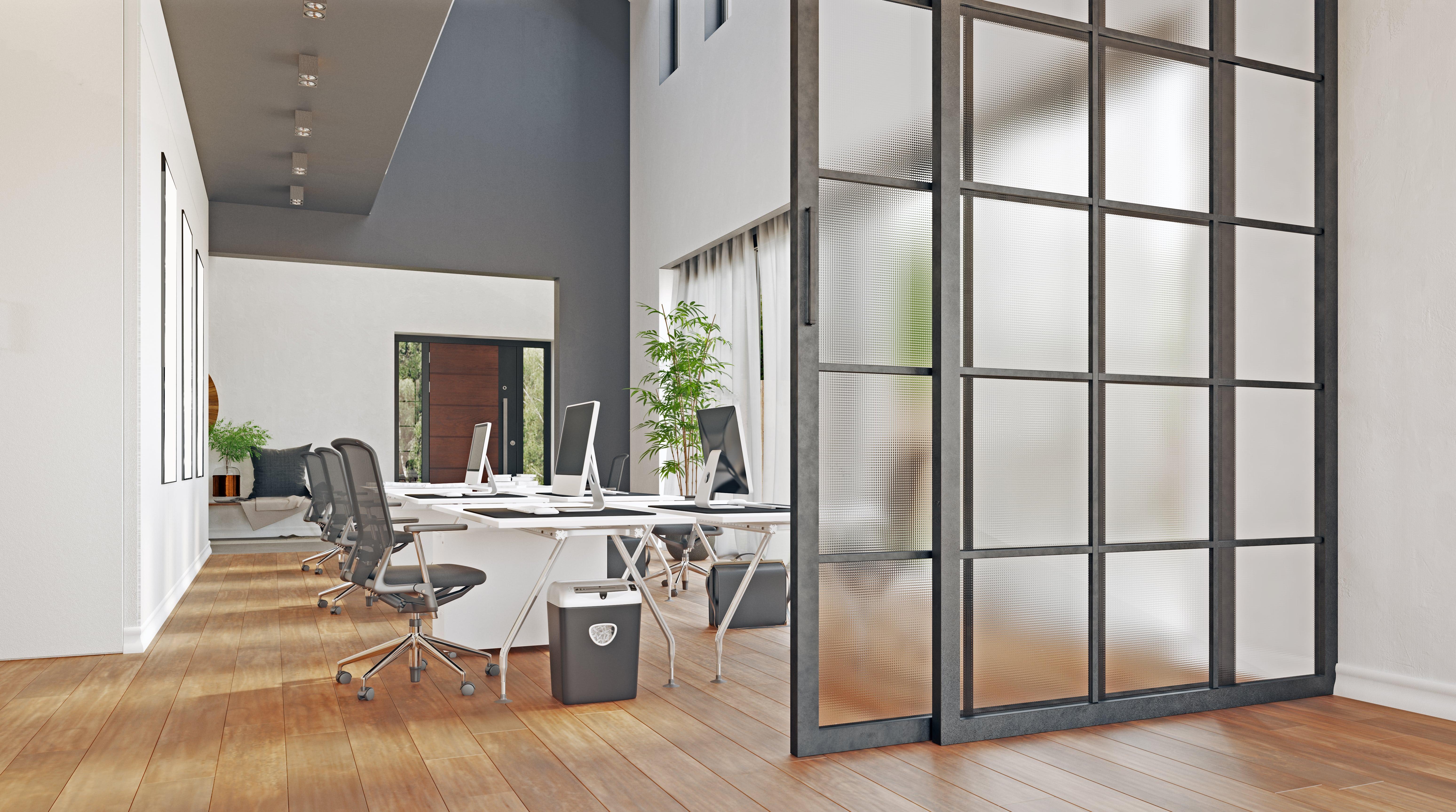
As residential design continues to evolve, the demand for adaptable home environments will only rise. Though, more than ever before, design teams are provided with the freedom to meet these expectations, with advances in sliding door hardware allowing for larger, heavier and more versatile door configurations. In reality, sliding doors have become much more than simple functional components - they now play a vital role in shaping how spatial flow is achieved, blending form and function at every turn inside modern homes.