

Image©123rf.com/armmypicca
From August 2026, binding EU-wide limit values for formaldehyde emissions from furniture and wood-based materials will apply for the first time. The clock is ticking – and manufacturers must act now. Here, Thomas Brenner, Head of Global Marketing at Fagus-GreCon, expands on the topic.
Formaldehyde in the spotlight of EU legislation
Formaldehyde (HCHO) has been an indispensable component of the wood-based materials industry for decades. Urea-formaldehyde resins serve as binders in chipboard, MDF and plywood – and thus in the majority of global furniture and interior fit-out production.
However, the substance is facing growing regulatory pressure: Since 2014, the EU has classified formaldehyde as a Category 1B carcinogen; even low concentrations can irritate mucous membranes and permanently impair indoor air quality.
With Regulation (EU) 2023/1464, which updates Annex XVII of the REACH Regulation, the EU is responding to this finding. From August 2026, for the first time, uniform EU-wide emission limit values will apply to almost all articles from which formaldehyde may be released – a paradigm shift that goes far beyond the national regulations previously in place.
REACH marks the transition from substance control to emission control at the finished product stage – this is a fundamental change for the entire supply chain.
What REACH specifically requires
The approach of the new regulation is consistently product-based: what matters is not the raw material used, but the actual measured emissions from the finished product under defined test conditions. This places quality assurance, measurement technology and documentation at the heart of the compliance strategy.
- Overview of limit values (valid from August 2026)
- Wood-based materials & furniture ≤0.062 mg/m³
- Vehicle interiors≤ 0.062 mg/m³ (from August 2027)
- All other articles ≤ 0.080 mg/m³
For manufacturers, this means they must be able to provide reliable measurement data, integrate testing processes into their ongoing quality assurance procedures and ensure seamless documentation throughout the supply chain. Companies that establish these structures at an early stage not only secure regulatory compliance but also gain a clear competitive advantage.
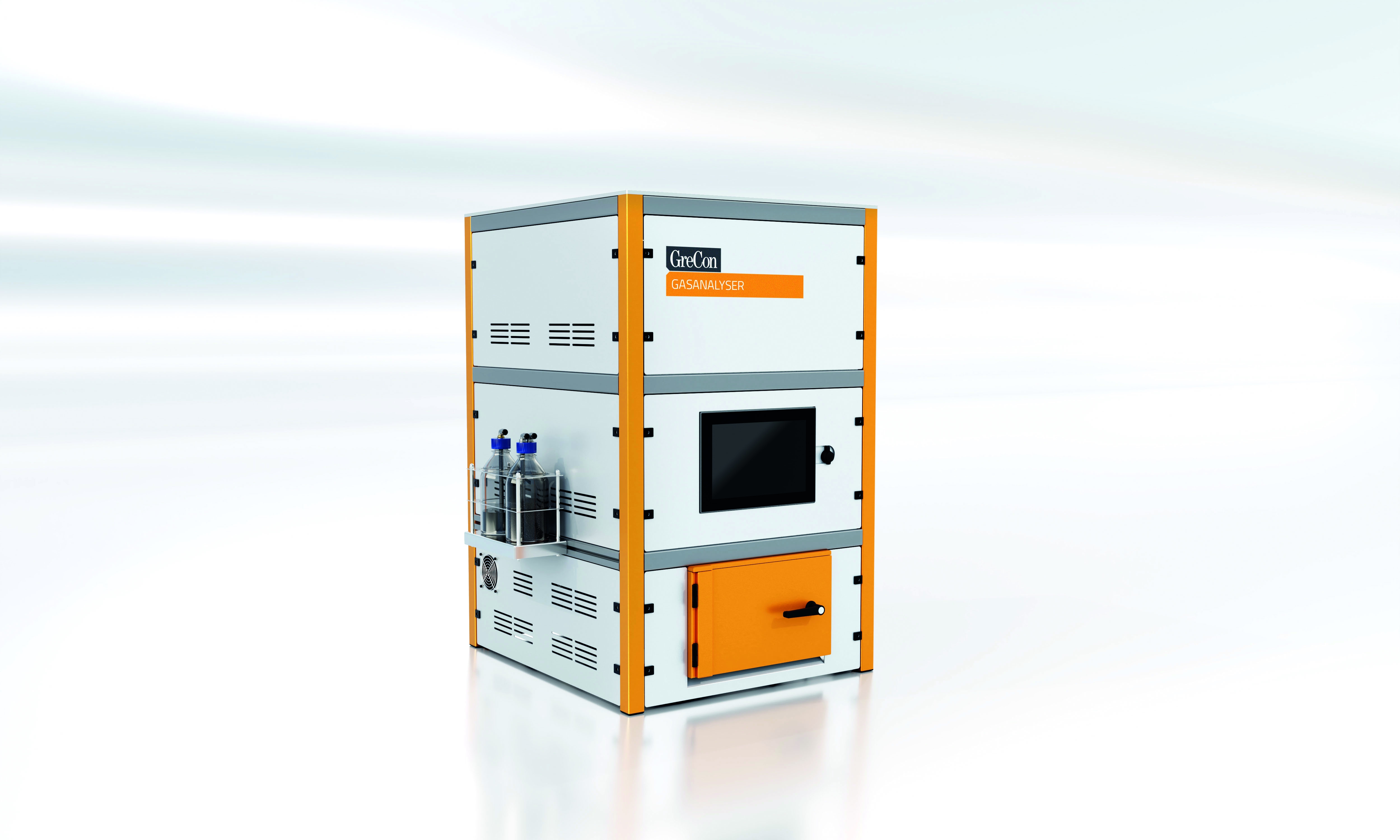
Test methods: the interplay between reference testing and production control REACH defines its limit values on the basis of reference chamber tests carried out under precisely specified climatic conditions (23 °C, 45% relative humidity, air exchange rate 1 h⁻¹). The relevant standards are EN 717-1 and EN 16516 – although EN 717-1 is regarded as the most direct reference due to its direct alignment with the test conditions set out in REACH Appendix 14. These chamber tests last up to 28 days and are therefore not suitable for ongoing production control.
In practice, therefore, a two-stage approach has become established: reference measurements form the legal basis; rapid, correlated test methods are used for production monitoring. Of particular relevance here are:
- ISO 12460-3:2023 – gas analysis method (4-hour test duration, proven in the European wood-based materials industry)
- ISO 12460-2:2025 – small-chamber test method (measurement time approx. 15 minutes, laser-based)
Correlation is crucial here: only if the results of the rapid method are systematically compared with reference values can they be reliably used to assess REACH compliance.
This comparison also yields the QCL value (Quality Control Limit) – the threshold value of the rapid method, below which compliance with the REACH limit is reliably guaranteed.
Act now: Four building blocks of a REACH-compliant testing strategy
Compliance with the new REACH limit values is not a one-off task but a systematically structured process. Fagus-GreCon recommends that manufacturers:
- Establish a reference basis: Establish reference chamber tests in accordance with EN 717-1 as a legally binding basis – either in-house or via accredited testing institutes.
- Correlate rapid methods: Compare production-related methods (ISO 12460-3 or ISO 12460-2) with reference values and determine the QCL value for ongoing monitoring.
- Define testing routines: Set fixed testing intervals, standardise sampling and consistent conditioning, and schedule regular reference tests for validation.
- Ensure documentation: Record all measurement results, store them in a traceable manner and be able to present them to customers and authorities at any time.
REACH is more than just a regulatory formality; the new formaldehyde limit values create a level playing field across Europe, increases transparency throughout supply chains and strengthens the confidence of end customers and trading partners. Manufacturers in the wood-based materials and furniture industries who establish their testing strategy now are well positioned – technically, legally and in the market.