
As the way we use living spaces continues to evolve, sliding doors are increasingly valued as adaptable, future-proof solutions for optimising interior space, explains David Knollman of Brio.
More than ever before, the demand for hybrid living is shaping how building design is being approached. The traditional idea of ‘one room, one function’ has all but given way to more fluid interiors, and there is a growing expectation for layouts to serve a multitude of purposes within the same footprint.
Rooms once dedicated to a single function may now need to accommodate everything from work, guests, relaxation and everything in between. And in cases where floor area is limited, balancing that level of flexibility can prove to be an obstacle. With that said, rather than simply finding the means to fit more into less, the challenge for property owners, architects and design teams, more accurately, is how to ensure a living space will adapt as users’ needs change over time.
Sliding door systems can play an important role here. More than a practical solution for compact interiors, modern sliding door applications have developed into a versatile design feature that can help make every part of a space work harder. As such, sliding doors are now part of a wider design conversation, one that begins by asking: can the right door hardware maximise the functionality of an ever-changing living space?
Space optimisation with lateral movement
Space saving has long been a consideration when selecting architectural products and design elements. At its most basic, the sliding door is favoured for its ability to release valuable floor space, granting architects and end users alike greater freedom to position fixtures, fittings and storage.
Where a conventional hinged door requires a dedicated area to open and close, a sliding door moves laterally. This lateral movement - made possible by a door’s various hardware elements - eliminates the swing radius occupied by hinged doors, which is a crucial advantage for projects where every square metre counts. Yet, the role of sliding door systems extends far beyond basic space saving qualities. In fact, the ability to optimise space is perhaps more important in the context of modern living, whereby making rooms adaptable is often key to a project’s success.
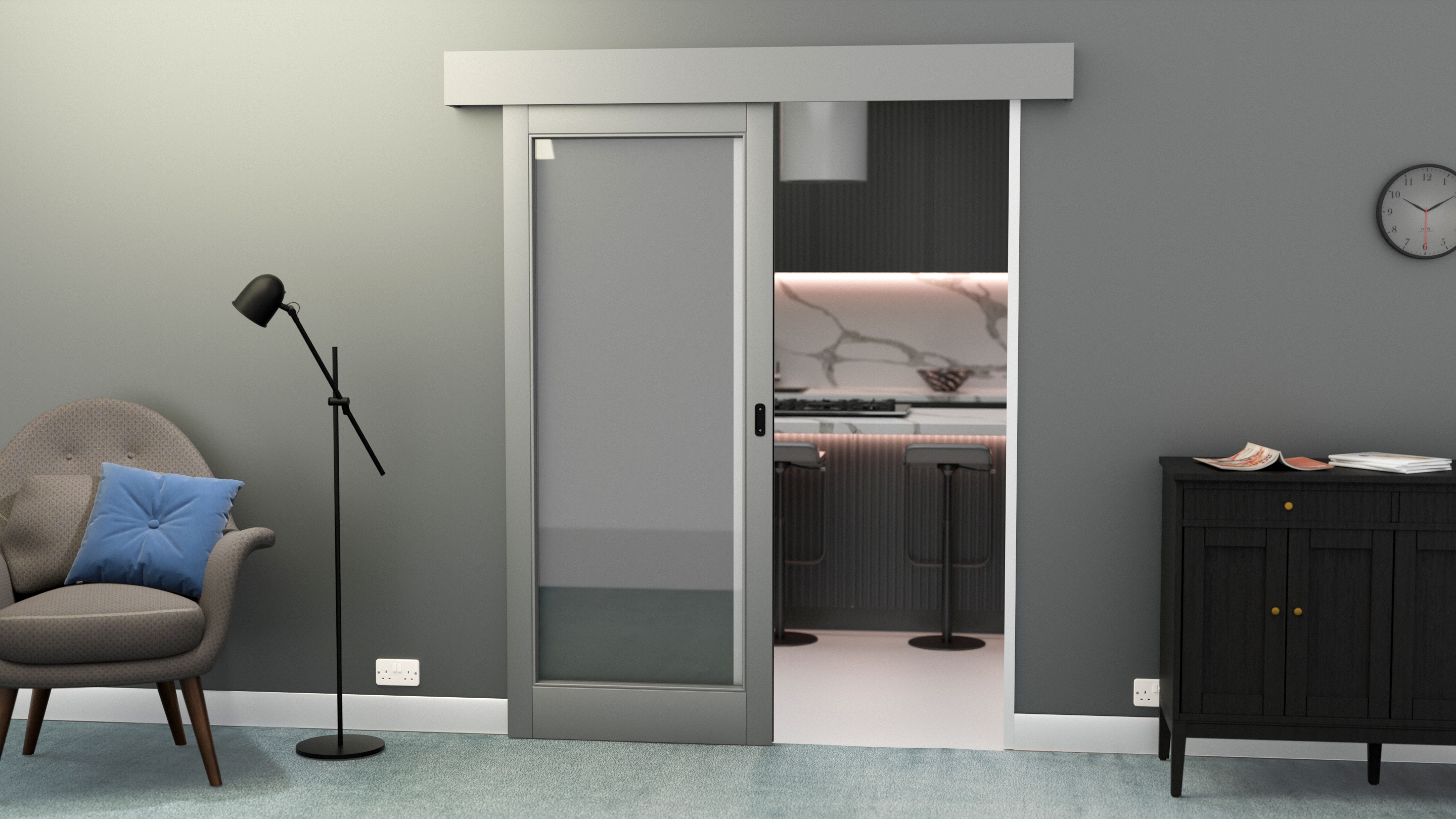
This approach is particularly relevant in settings where hybrid lifestyles are routine. A modern kitchen, for example, may now need to support multiple activities throughout the day, functioning as both a practical cooking area as well as an inviting social hub or dining area. Here, sliding door panels excel in dividing areas to create both open and semi-open spaces, providing privacy when required, before swiftly opening and allowing people to move freely between a larger, reconnected space.
Slide with the right hardware
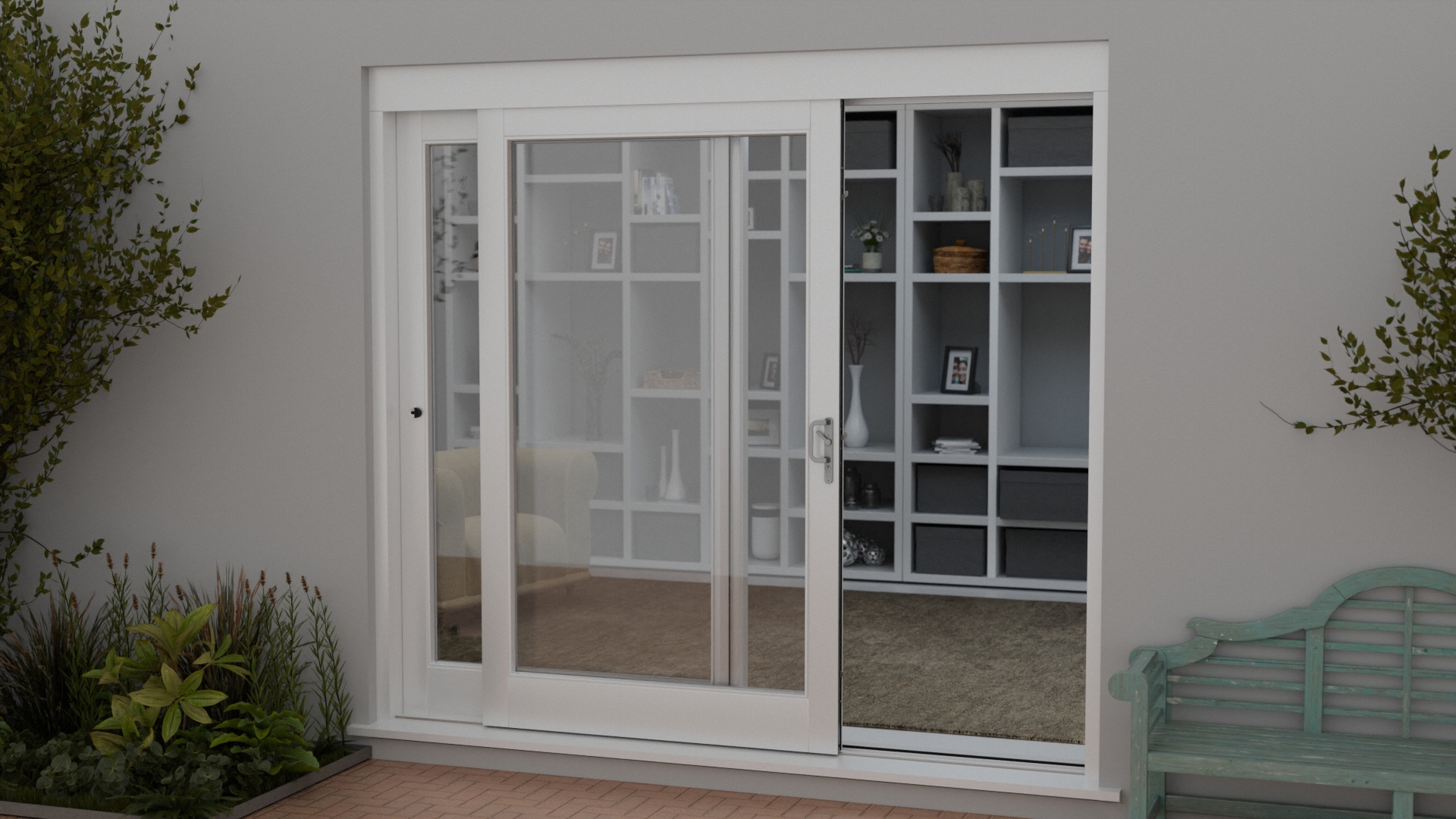
When installed, sliding door applications require the width of the doorframe only, further contributing to a cleaner, more spacious environment. Though, when in use, the performance of a system relies heavily on accurate hardware specification.
The patterns associated with hybrid living are equally applicable across a wide range of sectors, including hotels, commercial workspaces and hospitality venues. And with a variety of hardware options available, between bottom-rolling, top-hung and pocket door configurations, the appropriate solution will often depend on factors such as panel weight, the required opening size and the frequency of the door’s use. Together, these features allow sliding doors to efficiently reconfigure interiors in a way that traditional swing doors simply aren’t able to achieve.
Overhead track systems, for example, leave floor areas unobstructed, improving accessibility and making cleaning easier. Concealed hardware applications, on the other hand, allow sliding panels to sit flush whilst seamlessly integrating into the surrounding architecture, enhancing both the physical and visual flow between connected rooms. From a usability perspective, the single sliding motion of lightweight panels helps to facilitate movement whilst ensuring the space feels inviting at all times.
Soft close mechanisms can further help control the door’s movement and reduce operating effort in the process. This is particularly relevant in spaces where there are multiple ages or people with differing physical abilities operating the door system, with the feature supporting all types of user. Similarly, heavy-duty rollers enable the use of larger and taller panels without compromising ease of operation. When specified appropriately, sliding door hardware can accommodate multiple room functions and individuals within the same footprint.
Hybrid living reflects a broader shift towards flexible design, and the places we live, work and play must now accommodate both the current, and future lifestyles of occupants. Space optimisation is a method that supports the uncertainty of modern lifestyles, and sliding door hardware is pivotal to its success. Simply put, adaptability is no longer a luxury, it’s a fundamental design requirement.