

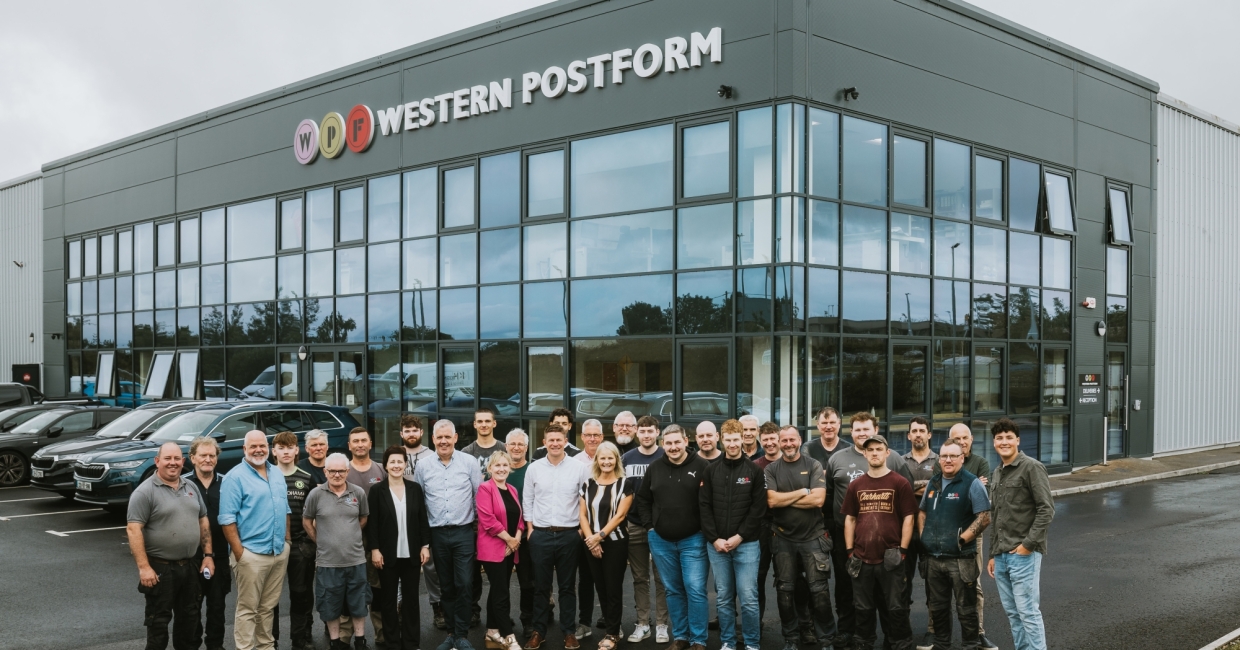
At Western Postform, mental health is not an initiative but part of everyday working life, supported through I Am Here and driven by a commitment to openness, trust, and meaningful connection.
For many organisations across the construction supply chain, mental health is now firmly on the agenda – but translating awareness into meaningful, day-to-day support remains inconsistent.
Western Postform (WPF) has taken a more deliberate approach. Over the past six years, the business has worked with I Am Here to embed mental health into the fabric of its operations — building connection, confidence and practical support into everyday working life, rather than treating it as a standalone initiative.
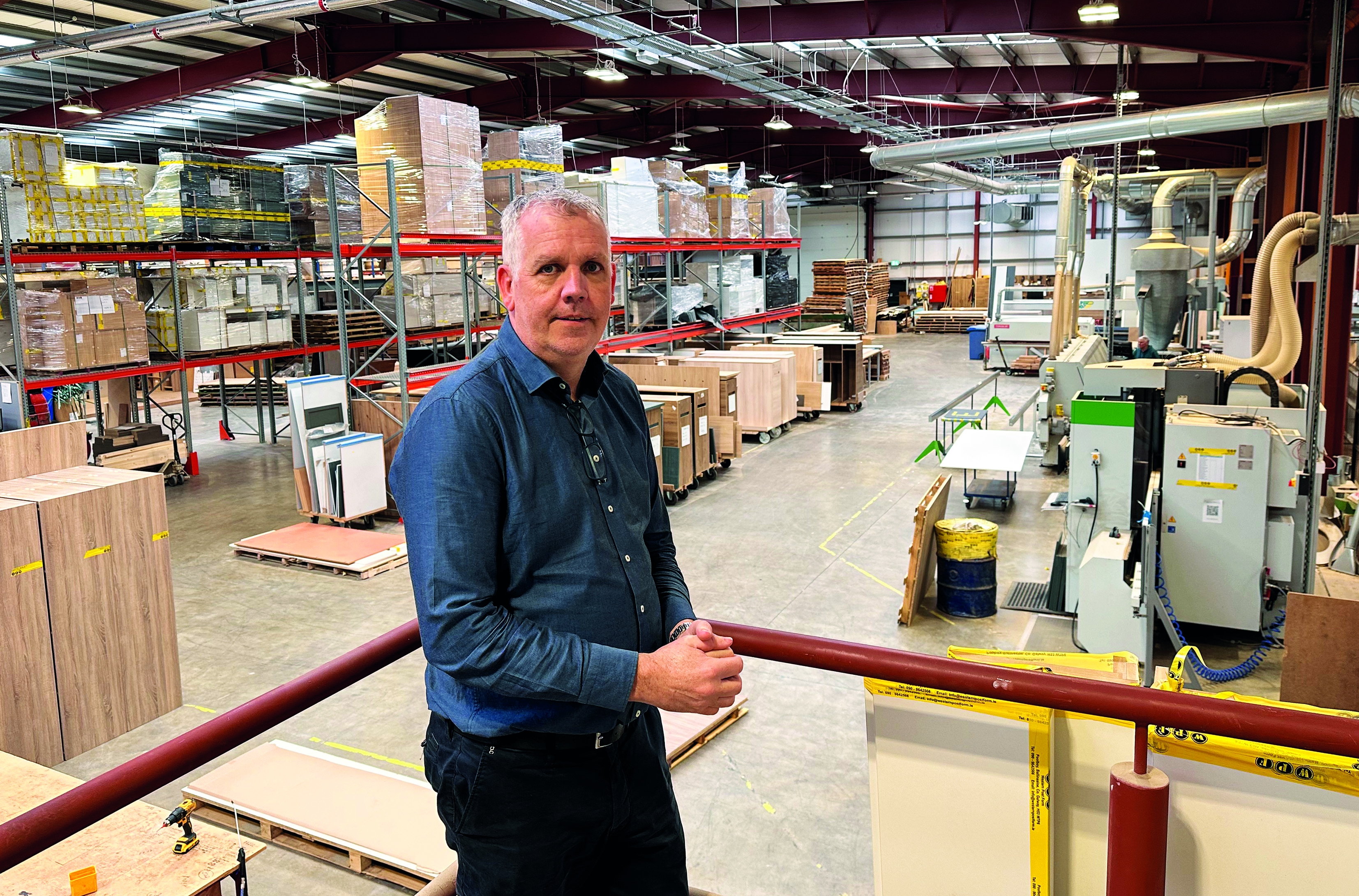
The objective from the outset was clear, as WPF MD Alan O’Grady explains: “We didn’t want this to be a tick-box exercise. It had to be something real – something people trust and use when they need it. There’s no point encouraging people to speak up if there isn’t meaningful support.”
A shift in focus
Established in 1980, WPF is a family-run manufacturing business employing approximately 50 people across production, logistics and site-based roles. Like many businesses in the sector, it operates in a traditionally male-dominated environment where openness around personal challenges has not always been the norm.
The decision to prioritise mental health was shaped by personal experience within the leadership team’s community. That experience highlighted a gap between awareness and access – particularly when people need immediate, practical support.
Raising awareness alone was not enough. Any approach needed to be accessible, credible and embedded in everyday working life.
Moving beyond awareness
WPF engaged with I Am Here with a clear brief – avoid a superficial initiative and instead build something that would stand up in real situations.
Implementation focused on practical capability, accessible support and consistency. At its core, the approach gives people the confidence and skills to ask the question – while creating an environment where those conversations feel safe and normal.
I Am Here says that the organisations that see the greatest impact are the ones that embed it into their culture, with leadership actively involved. It’s not something that works when it sits on the sidelines – it has to be part of how the business operates.
Employees are equipped with simple, usable skills – recognising when someone may be struggling, asking the right questions and responding appropriately. A network of internal ambassadors provides an informal first point of contact, supported by direct access to external professionals.
Participation is voluntary, but engagement remains strong – reflecting the programme’s credibility and relevance.
Culture change over time
The impact has been cumulative rather than immediate. Initial scepticism, particularly within a production environment, was expected. Over time, as trust developed and confidentiality was reinforced, behaviours began to shift.
“It took time for people to believe it wasn’t just a poster on the wall – that we genuinely care and that support is really there. Once that trust builds, the whole culture starts to shift and people feel more comfortable opening up,” says Alan. “That sense of connection – between colleagues, management and external support – has been central to building trust.”
Approximately three years into the programme, the change became tangible. Today, the business operates with more open communication, increased peer-to-peer support and greater confidence in raising issues early.
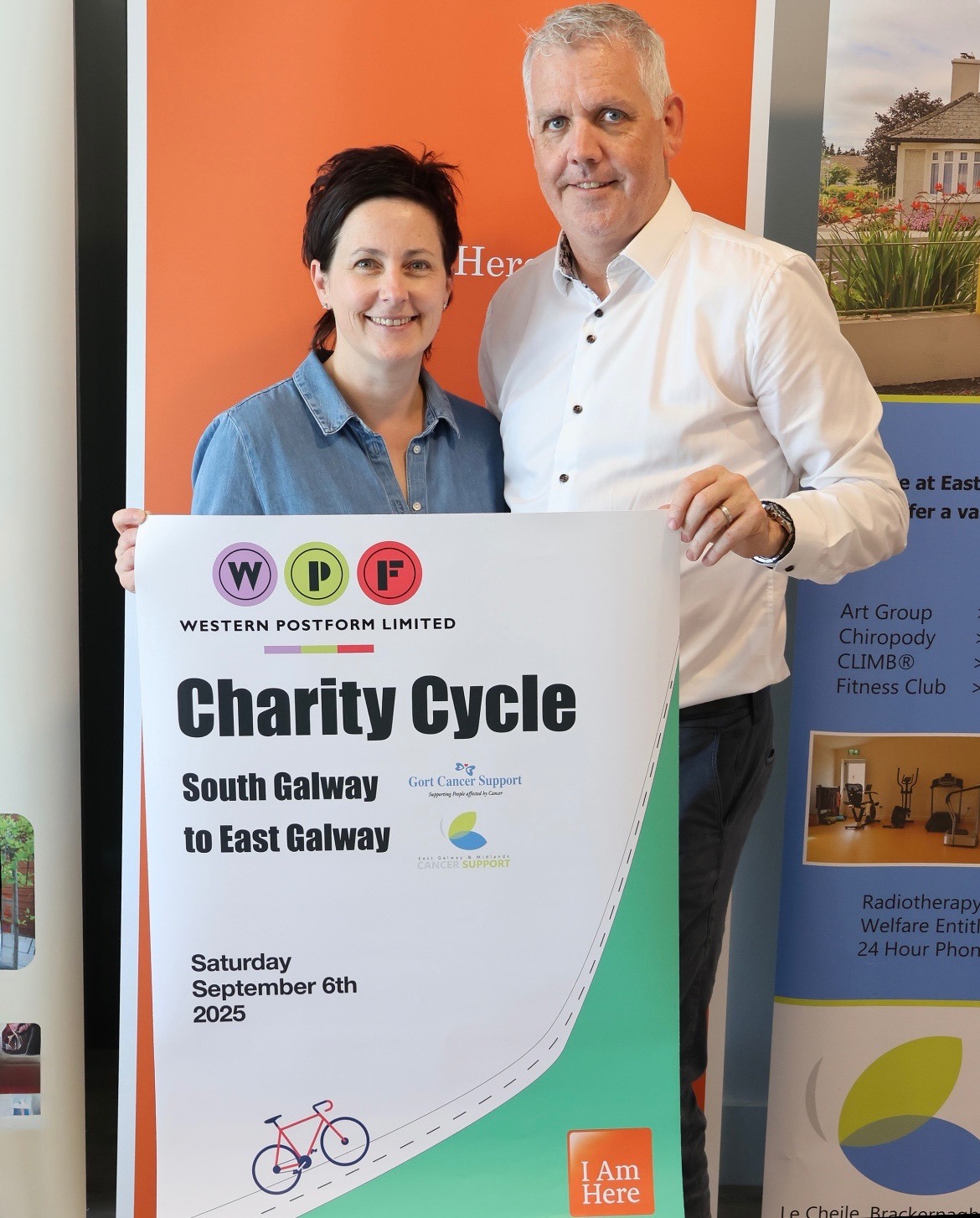
“You can see the difference on the floor. People really look out for each other now. It’s not something that’s forced – it’s just become part of how everyone works together,” says Olivia O’Grady.
From awareness to action
A consistent theme in WPF’s approach is the importance of follow-through.
Encouraging people to speak up is only effective if they are met with understanding and there is a clear, trusted next step.
The combination of internal support and external expertise ensures employees are not left navigating challenges alone.
The emphasis is not on having all the answers, but on listening, connecting and guiding people towards the right support when needed.
An I Am Here spokesperson says: “It’s not always about formal support. In many cases, it’s about creating an environment where people feel heard, understood and confident enough to have those conversations.”
Business impact
While the programme was introduced with wellbeing as the primary objective, the business impact has been clear. WPF reports higher engagement, stronger retention and a workforce that is more responsive during periods of pressure.
As Alan says: “A happy employee is a good employee. If someone is distracted by something outside work, that comes into their day with them. But if they can talk about it and deal with it, they’re more present, more focused and more willing to step up when it matters.”
Extending beyond the workplace
An unintended but significant outcome has been the programme’s influence beyond the business itself.
Employees are applying what they have learned in their personal lives – supporting family members, engaging in community settings and contributing to more open conversations around mental health.
“They take it home with them – into their families and their communities. That’s when you know it’s working, because it’s gone beyond the workplace,” says Olivia.
Conclusion
Six years on, WPF’s partnership with I Am Here has evolved into a core element of the business rather than a standalone initiative. The approach demonstrates that, within traditionally challenging sectors, it is possible to build a culture where mental health is addressed with the same intent and structure as other areas of operational performance.
Awareness alone does not change outcomes. Support needs to be visible, accessible and embedded – and when it is, people respond.
At its core, it is about connection – creating workplaces where people feel seen, heard and supported.
We extend our thanks to Alan and Olivia at Western Postform for sharing valuable insight into what meaningful cultural change looks like in practice.
The expectation for businesses is shifting. Mental health can no longer sit on the sidelines as a policy or talking point – it must be built into how organisations operate day to day.
For those yet to take that step, the message is clear: the time to move from awareness to action is now.