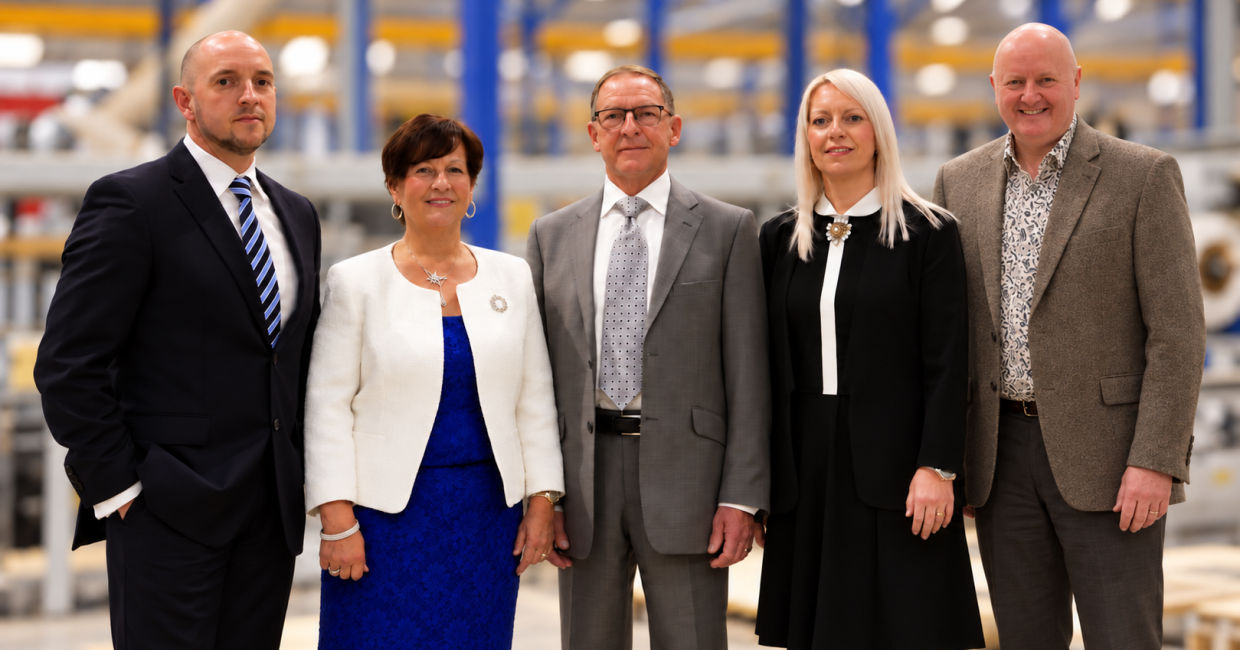
Pictured: Starbank’s board of directors, from left: Managing Director Philip Darbyshire, founders Kath and Gordon Darbyshire, Financial Director Wendy Elsworthy and Commercial Director Mike Durham
Starbank Panel Products celebrates its 50th anniversary this year, marking five decades of growth, innovation and manufacturing expertise. It is an opportunity to reflect on how far the business has come, but, just as importantly, to recognise the people, customers, suppliers and longstanding relationships that have shaped its success – and the investment that continues to drive it forward.
Where it all began
In 1976, Gordon and Kath Darbyshire took a risk that would shape not only the next 50 years of their own lives, but those of their children and, ultimately, the livelihoods of many others.
The manufacturing business where Gordon worked had gone into administration. Rather than turn their backs on the industry, Gordon and Kath committed their savings to purchasing as much of the company’s machinery as they could. Their bid was successful, the equipment was collected and, remarkably, production began that very same day.
Starbank initially operated from just 4,000 sq ft of rented space outside Wigan, Lancashire, with one employee and a customer base largely centred on the caravan industry. It was a modest beginning, but the principles that would guide the business were already taking shape: understand the job, invest with purpose, look after relationships and remain ready to adapt.
Fifty years on, Gordon and Kath can reflect on a business almost unrecognisable in scale and capability from the one they established. They are particularly proud of the way Philip and Wendy have taken Starbank forward, and of the team that has grown around them.
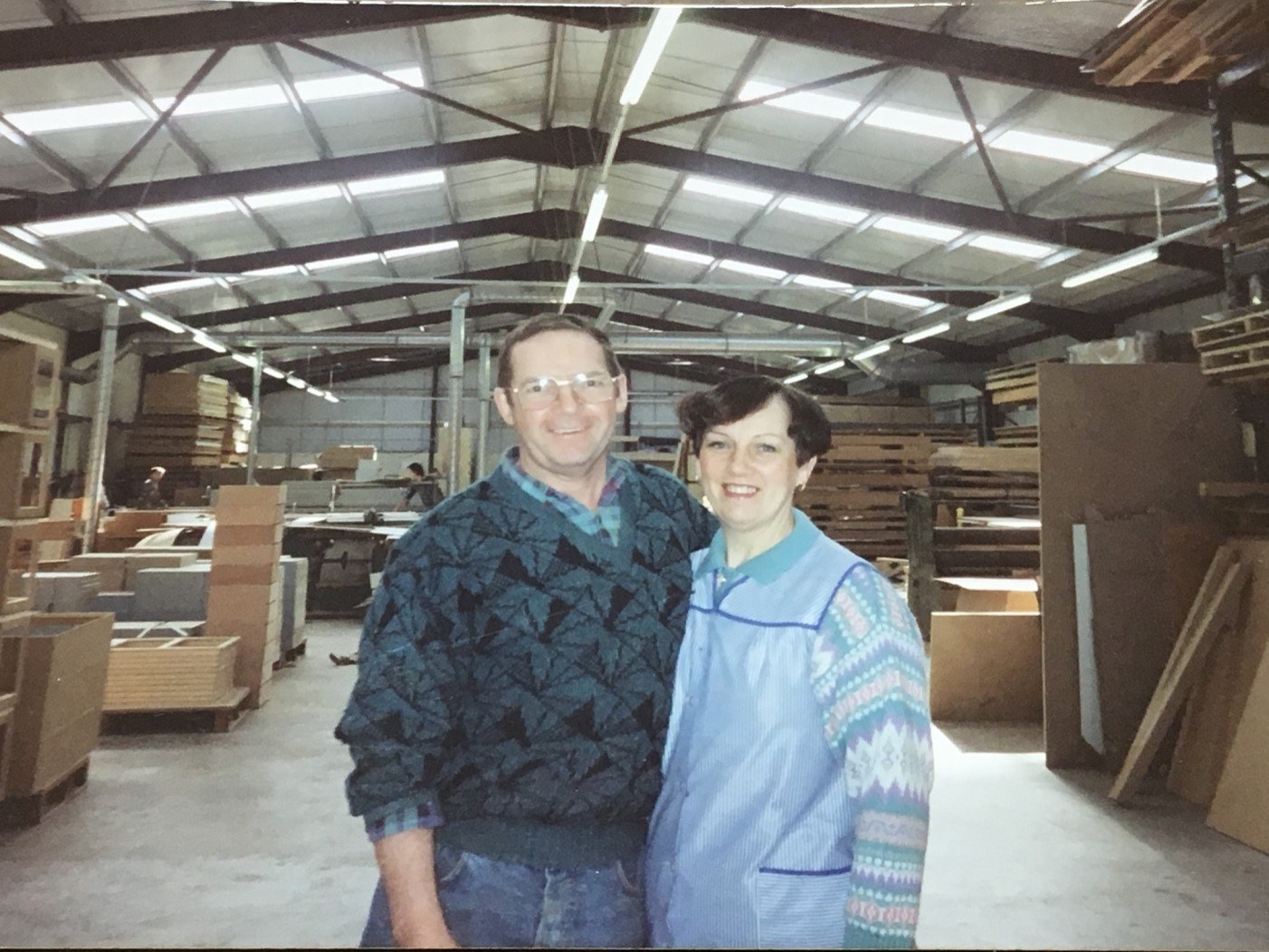
Pictured: Gordon and Kath in 1991
The people who shaped Starbank
If there is one consistent theme running through Starbank’s history, it is the contribution of its people.
Across generations, employees have brought experience, judgement, technical knowledge and commitment to the business. Some remain part of the team today. Others have retired after 25 or 30 years, or even longer. Sadly, some are no longer here to see Starbank reach its 50th anniversary, but their contribution remains an important part of the business and the reputation it has built.
In manufacturing, that continuity matters. Machinery changes, software develops, materials evolve and customer expectations move on. But much of the knowledge that makes a factory work effectively is built up over many years and passed from one person to another. The work ethic instilled by Gordon and Kath, and carried forward by Philip and Wendy, remains evident throughout the business today.
The recent retirement of several long-serving colleagues has brought this into particular focus. When someone leaves after more than a quarter of a century, they take with them a wealth of practical experience. Starbank is therefore working to ensure that the knowledge, standards and ways of working these employees helped establish are passed on to the next generation.
Manufacturing is not always plain sailing
A 50th anniversary can make a company’s history appear rather more straightforward than it was. Manufacturing, however, rarely follows a predictable path.
Starbank has experienced difficult periods as well as successful ones. Markets shift, customers change direction, costs rise, materials present challenges, machinery breaks down and investments do not always deliver their full benefit immediately.
There are times when everyone involved in a manufacturing business has to pull in the same direction simply to get the job done.
Starbank has reached its half-century because people have repeatedly done just that – family, employees, customers and suppliers alike.
The business has continued to adapt, solve problems and move forward rather than assume that yesterday’s methods will necessarily meet tomorrow’s demands.
That willingness to work together is an important part of its anniversary story. Longevity is not simply a measure of age; it also reflects a business’s ability to retain the confidence of those around it.
Growing with customers
Starbank’s development has been closely linked to that of its customers. Many of its strongest relationships have been built over years rather than individual orders, with changing customer requirements frequently prompting the introduction of new processes, machinery and materials.
As a result, the company’s role has evolved considerably. Starbank is no longer simply a panel processor receiving boards, carrying out an operation and returning them to the customer. Increasingly, it acts as a manufacturing partner – effectively an extension of a customer’s own factory where the machinery, labour, space or specialist knowledge required may not be available in-house.
Customers can outsource an individual process or a much larger part of the manufacturing sequence. Depending on the project, services can include panel sizing, laminating, CNC machining, drilling, edgebanding, postforming, assembly and packing, supported by CAD/CAM and production engineering expertise.
Importantly, Starbank manufactures for its customers rather than competing with them.
In many cases, discussions begin before a finished drawing even exists. A customer may have a problem to solve, a new product concept or a production bottleneck. The initial question is not necessarily whether Starbank can machine a component, but how best to manufacture it in the first place.
Indeed, some of the company’s most significant investments have originated from a particular customer requirement rather than a machinery catalogue.
The partnerships behind the factory
The same philosophy extends to Starbank’s supply chain. A specialist manufacturing operation is only as strong as the network supporting it.
Board and laminate manufacturers, timber suppliers, adhesive specialists, tooling companies, machinery manufacturers, software providers and certification organisations have all contributed to the company’s development.
Over time, many of these relationships have grown into genuine technical partnerships. When a tooling challenge needs resolving or a new process must be proven, having suppliers prepared to work through the problem rather than simply supply a product can make all the difference.
SCHELLING and HOMAG are perhaps among the most visible examples during a tour of the factory. Starbank has invested in their equipment over many years, with its facilities demonstrating how a UK manufacturer can continue to push the boundaries of its production capabilities.
However, the same collaborative approach applies throughout the wider supply chain.
Starbank readily acknowledges that it would not be the business it is today without the confidence of its customers and the continued support of its suppliers.
Investment with a purpose
Starbank’s physical growth over the past five decades has been considerable.
By 1991, the business had outgrown its original premises and relocated to a purpose-built 12,000 sq ft factory in Newton-le-Willows. Further expansion followed as neighbouring units were acquired and additional processes brought under one roof.
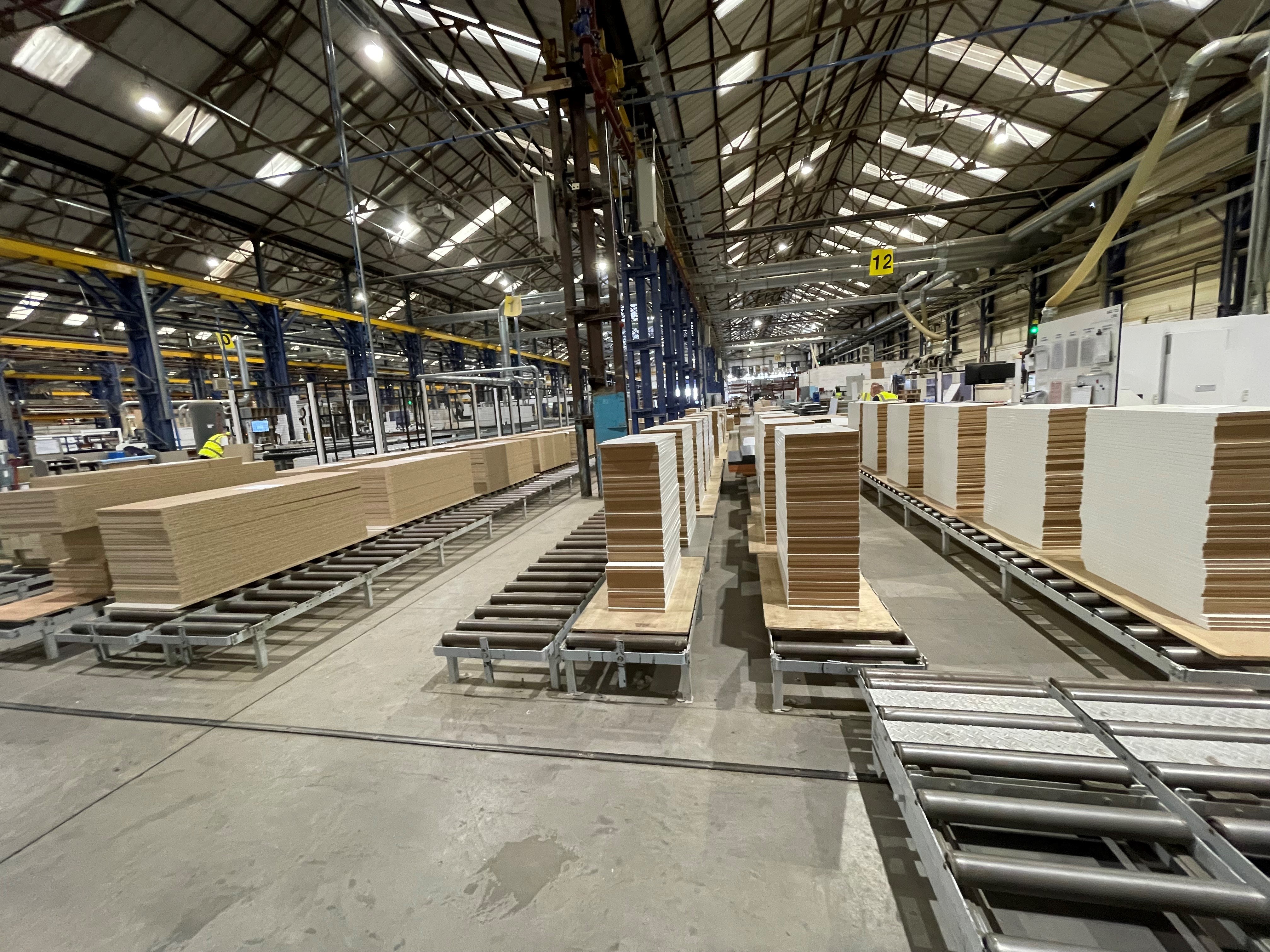
Machinery investment followed a similar pattern, with automated board handling and storage, beam saws, CNC machining centres, postforming equipment, bonding systems and increasingly sophisticated edgebanding technology introduced as production requirements developed.
Some investments have become milestones in their own right.
In 2012, Starbank installed a centralised vacuum system, described at the time as the first of its kind in the UK wood-panel industry. The company was also the first in Europe to achieve an Integrated Management System incorporating joint Chain of Custody certification through BM TRADA.
More recently, investment has continued across CNC machining, drilling, edgebanding, automation and digital production systems. This has included laser and hot-air edgebanding through Starbank’s ZEROedge® technology, alongside the more recent addition of a six-sided HOMAG drilling platform.
The objective has never been simply to acquire machinery for its own sake. Rather, it is to remove production constraints, expand manufacturing capabilities and provide customers with greater flexibility.
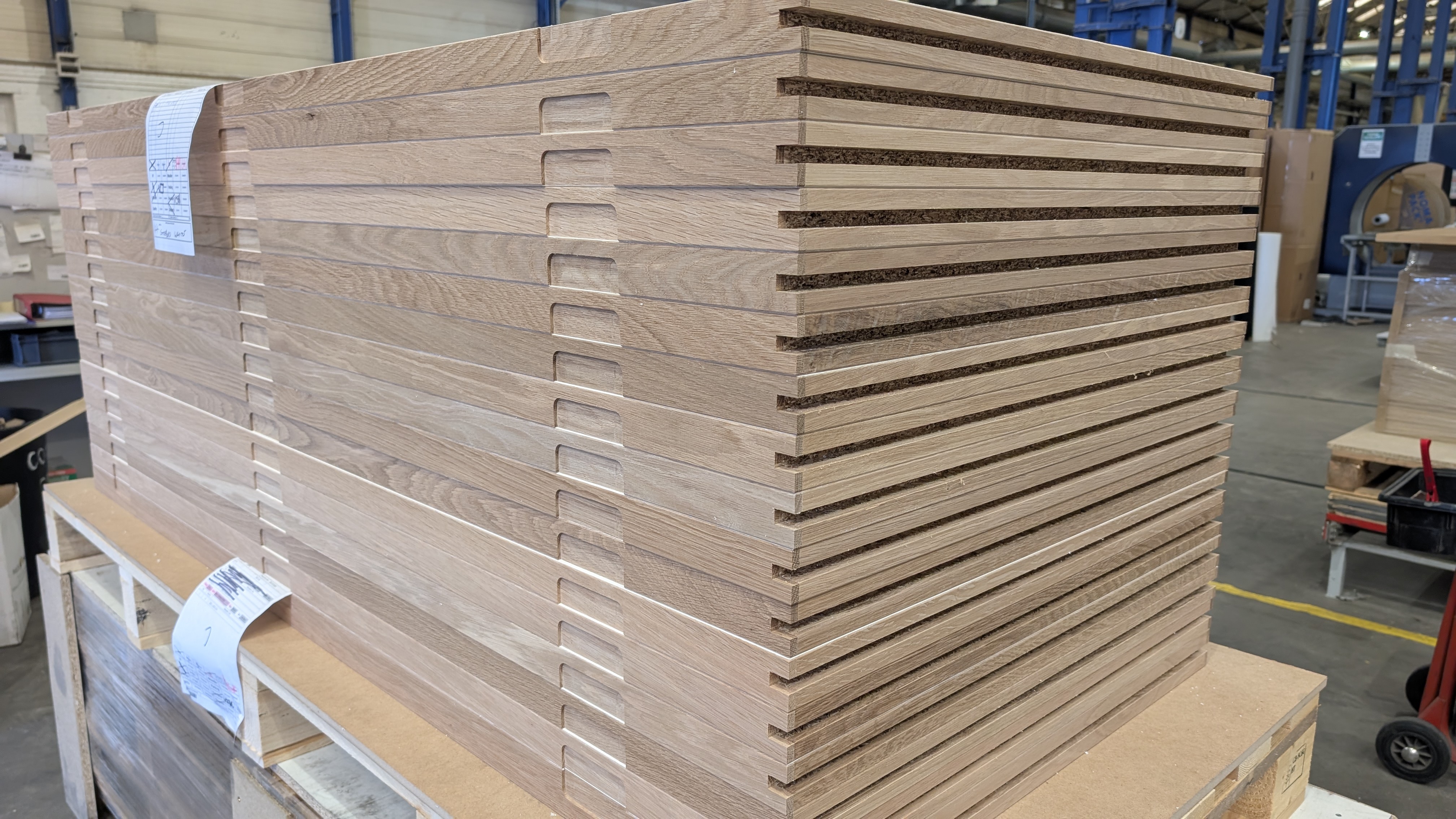
What the machinery is really for
Modern woodworking machinery offers extraordinary capability, but purchasing the equipment is only the beginning.
Starbank’s production mix ranges from straightforward panel conversion to intricate, short-run components and larger manufacturing programmes. Materials and tolerances vary, while individual projects place very different demands on tooling, programming, handling and quality control.
This is where the experience of the people operating and supporting the machinery becomes invaluable.
Experienced operators recognise when a material is behaving differently.
Programmers understand how a machining strategy will affect the finished component before production begins. Estimators, production teams and managers know when a process needs to be adapted rather than forced to fit.
Alongside its manufacturing services, Starbank has developed a number of specialist product ranges, including SHIELD® fire doors and frames, STARlite® lightweight composite panels, Multiform™ and Aquaform™ postformed panels, and Cubico® washroom components.
The common thread is clear: investment in machinery delivers its greatest value when supported by the knowledge and experience to use it effectively.
Solving more complex manufacturing challenges
The work passing through Starbank’s factory has become increasingly technically demanding. Customers are looking for manufacturing partners capable of handling complexity as well as volume.
Projects may involve unusual materials, demanding tolerances, multiple machining and finishing stages, specialist bonding systems, regulatory requirements or components that need to arrive ready for incorporation into a larger assembly.
For Starbank, some of the most rewarding projects begin with a detailed schedule of works rather than a straightforward machining requirement. The challenge then becomes one of engineering the most reliable, efficient and repeatable route through production.
The company is also proud to be involved in major commercial fit-out programmes that are helping to shape the built environment across the UK.
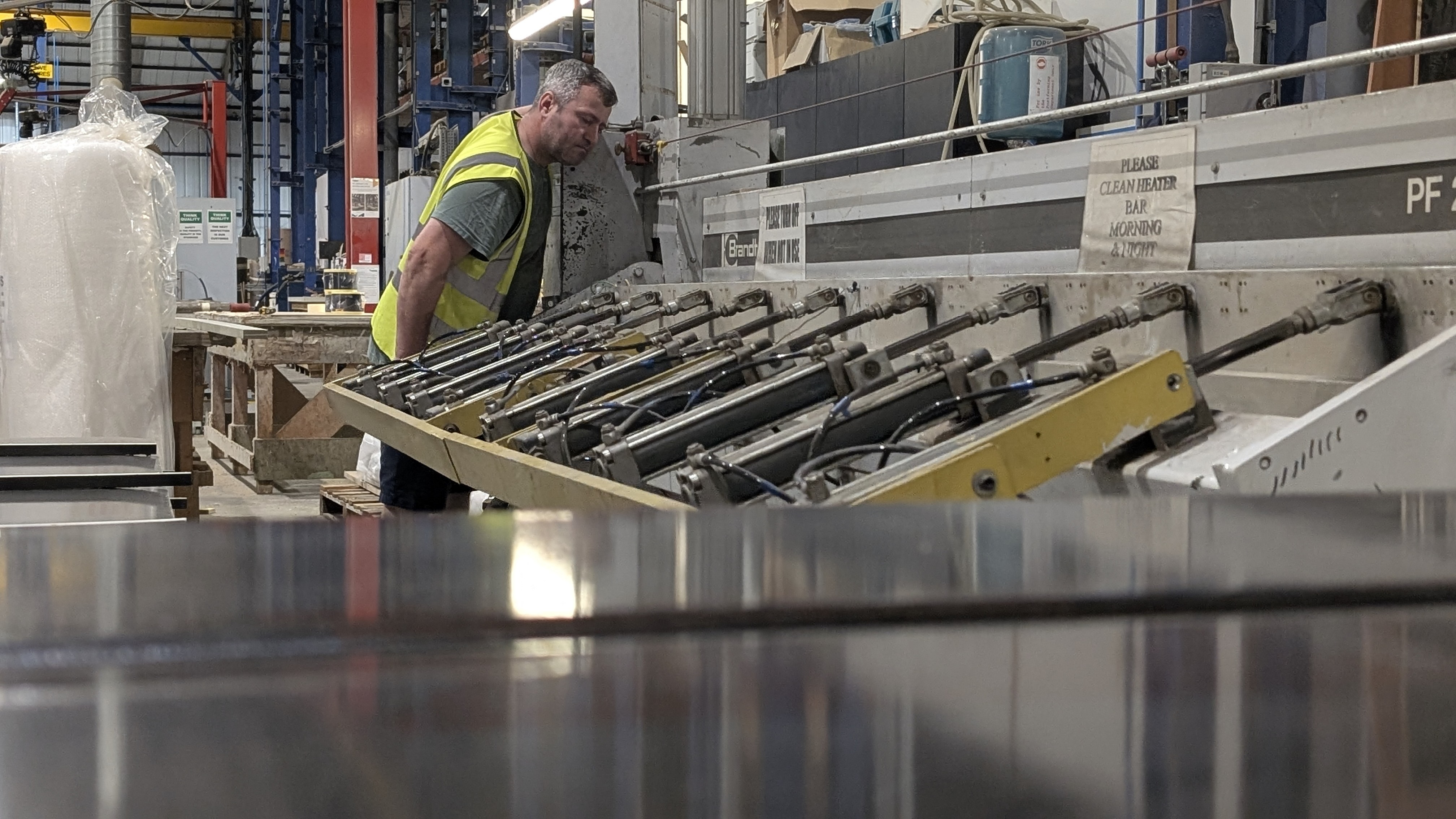
Passing knowledge forward
As automation becomes more sophisticated, it is sometimes assumed that manufacturing will become less dependent on people. Starbank’s experience suggests otherwise.
More capable machinery increases what can be achieved, but also places greater importance on programming, maintenance, process control, training and sound judgement.
The challenge is therefore twofold: to retain and respect the knowledge accumulated by experienced employees, while creating opportunities for younger people to learn, question established methods and become confident with new manufacturing technologies.
That exchange of knowledge is essential to maintaining continuity. It is not about doing things the same way indefinitely, but about carrying forward the standards, judgement and attitudes that have served the business well, while remaining open to better ways of working.
Manufacturing with greater responsibility
The expectations placed on manufacturers have changed significantly over the past 50 years.
Quality, cost and delivery remain fundamental, but customers now rightly expect greater accountability in areas such as responsible sourcing, environmental performance, energy consumption and supply-chain management.
Starbank holds FSC and PEFC Chain of Custody certification, alongside ISO 9001, ISO 14001 and ISO 45001 management system certifications. In 2004, the company became the first in Europe to achieve its joint Integrated Management System with BM TRADA.
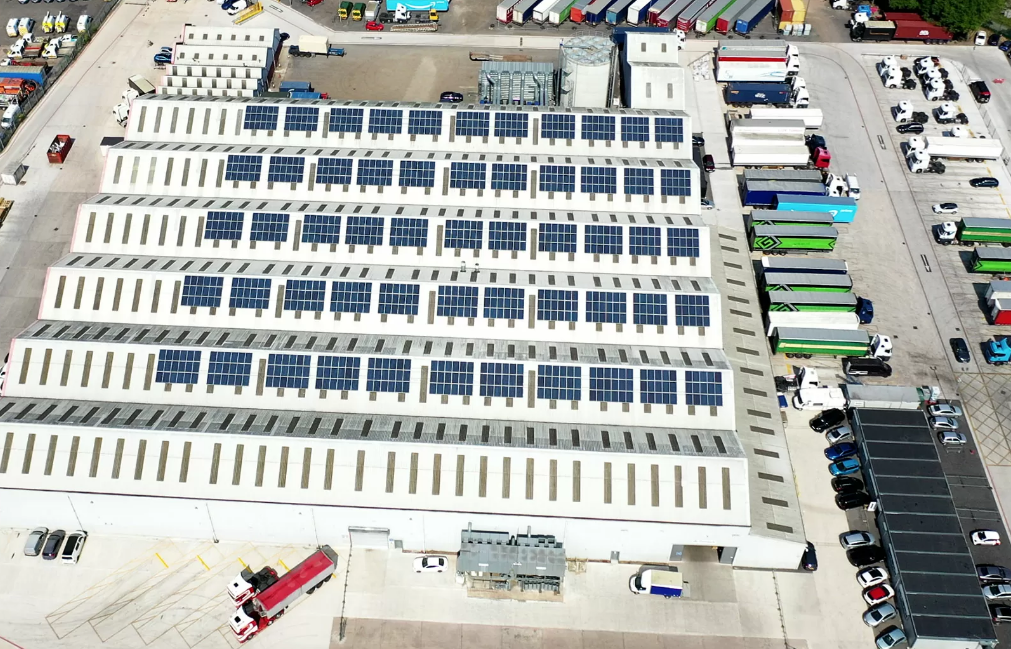
Environmental investment has also been a longstanding priority, with significant expenditure on renewable energy and energy efficiency, including solar generation and biomass heating.
Previous environmental and energy-related investment has exceeded £2 million, while another milestone came in 2021, when Starbank achieved PAS 2060 carbon-neutral certification.
For the company, sustainability and manufacturing efficiency are increasingly part of the same conversation. Better material utilisation, reduced energy consumption, improved production planning and less waste make good commercial as well as environmental sense.
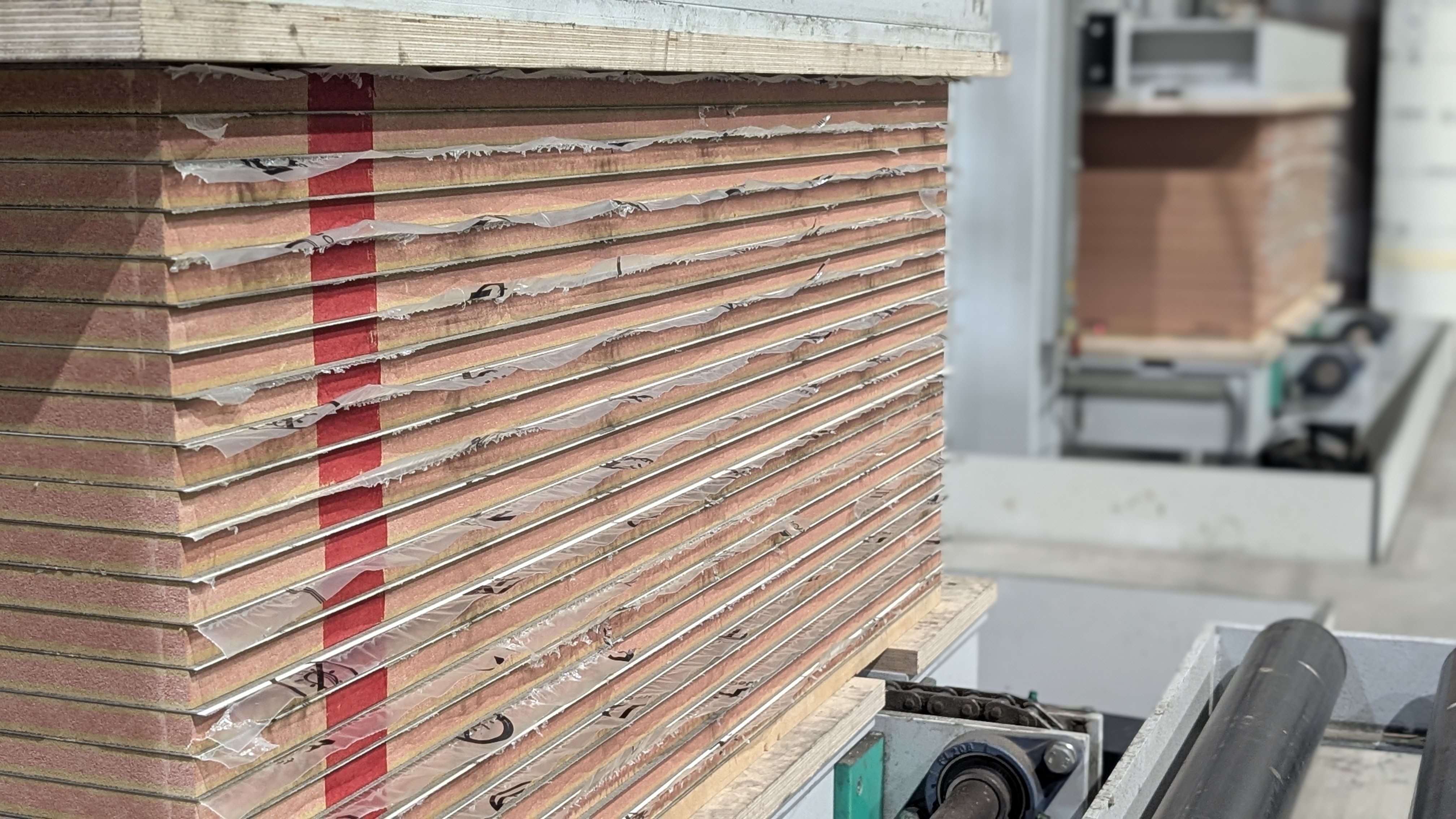
The next chapter
Reaching 50 years gives Starbank every reason to look back with pride, but the company is equally focused on what comes next.
The factory will continue to evolve. Automation will advance, software and production systems will become more connected, materials will change and customers will demand ever more from their manufacturing partners.
The ambition is to continue investing where it improves the service Starbank can offer, to develop the people needed to make that technology work, and to remain a trusted partner for manufacturing that is difficult, specialist or simply better handled by an experienced external supplier.
For Gordon and Kath, reaching this milestone is a source of enormous pride. They have seen Philip, Wendy and the wider team do more than preserve the business they established. They have expanded it, transformed its capabilities and prepared it for a manufacturing environment very different from that of 1976.
In time, the next generation will face the same challenge.
Perhaps that is the most fitting way to consider Starbank’s first 50 years. Not simply as a story of machinery, buildings or turnover, but as five decades of contribution – from the couple who took the original risk, the generations of employees who developed its knowledge and reputation, the customers who entrusted Starbank with their work, and the suppliers who helped make it possible.
Manufacturing has not always been easy. But by adapting, investing and pulling together, Starbank is still here five decades later – with the experience of those 50 years firmly behind it and plenty still to do.