
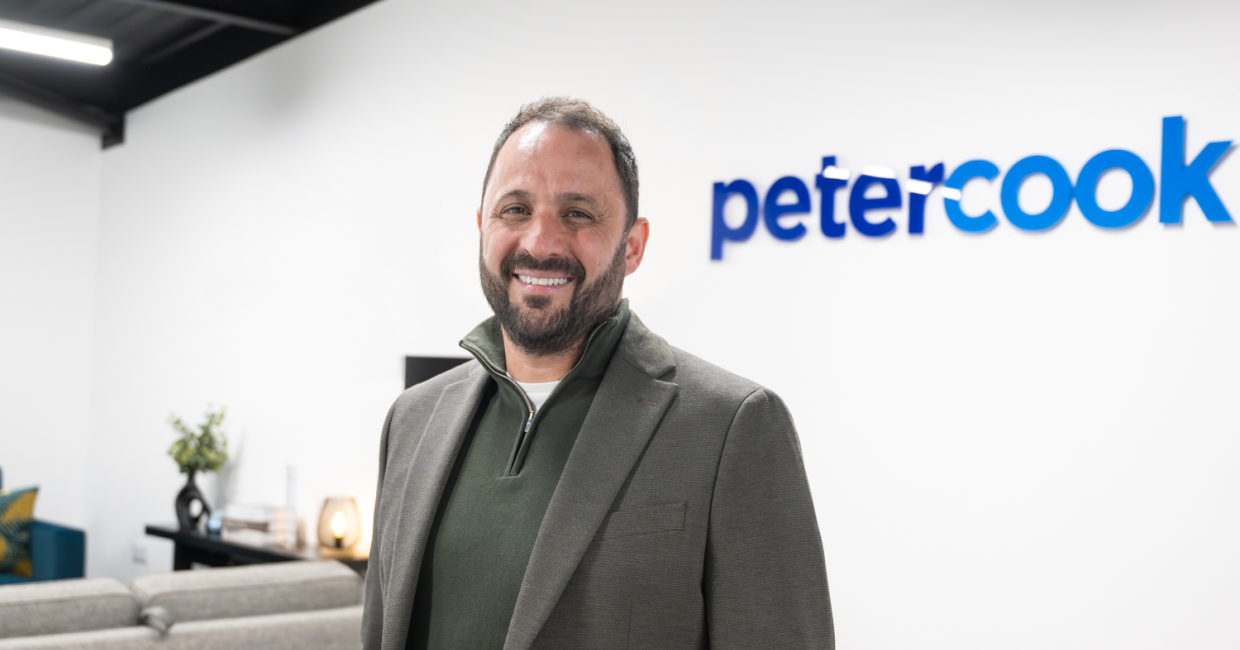
Carl Pickup shares his perspective on the upholstery market, the opportunities for manufacturers and how Peter Cook is developing its products, facilities and customer support.
1. How would you describe the mood across the upholstery sector at the moment? What are you seeing and hearing from customers?
It is cautious, understandably, but there is still determination. Customers are looking hard at costs, stock and forward orders. Every purchasing decision has to justify itself.
The challenge is that manufacturers cannot put product development or investment on hold indefinitely. They still need to give people a reason to buy their furniture. Standing still carries a risk too.
For suppliers, that raises the bar. If we talk about service, it has to mean something on a busy production day: stock available, a clear answer and someone taking ownership when there is a problem. That is where we have to prove our value.
Price will always matter. But a component that holds up production, creates unnecessary work or performs inconsistently can quickly become an expensive purchase. Our job is to understand those consequences and help customers make decisions that work for the whole business.
2. Which products and categories are currently seeing the strongest demand, and where are things a little quieter?
One area attracting increasing interest is water-based adhesives. Changes in regulation, alongside greater consideration of environmental impact and workplace safety, are prompting customers to look more closely at the glues they use and the alternatives available.
For manufacturers, any potential change also raises practical questions. How will an adhesive perform with their materials? How does it fit into the existing production process? What might it mean for application, drying times and handling? Customers need to understand those points before deciding what is suitable for their operation.
That is where a conversation with our team can help. We want to understand the application and help customers assess the available options against their requirements.
More broadly, price and availability remain important, but customers also need consistency and confidence in the products they choose. Whether it is an adhesive, an everyday upholstery component or a sofa-bed mechanism, the aim is the same: finding a suitable product that supports the way they work.
3. Against the current market backdrop, where is Peter Cook enjoying the most success, and what is helping you win business?
Our strongest proposition is the combination of product choice and practical support. We can supply the everyday components a manufacturer relies on, and we can also get involved when they have a requirement that needs more thought.
Customers do not always arrive with a product code. Sometimes they arrive with a problem: something is difficult to source, a component is causing frustration or a new design needs a different solution. Those are conversations we actively welcome.
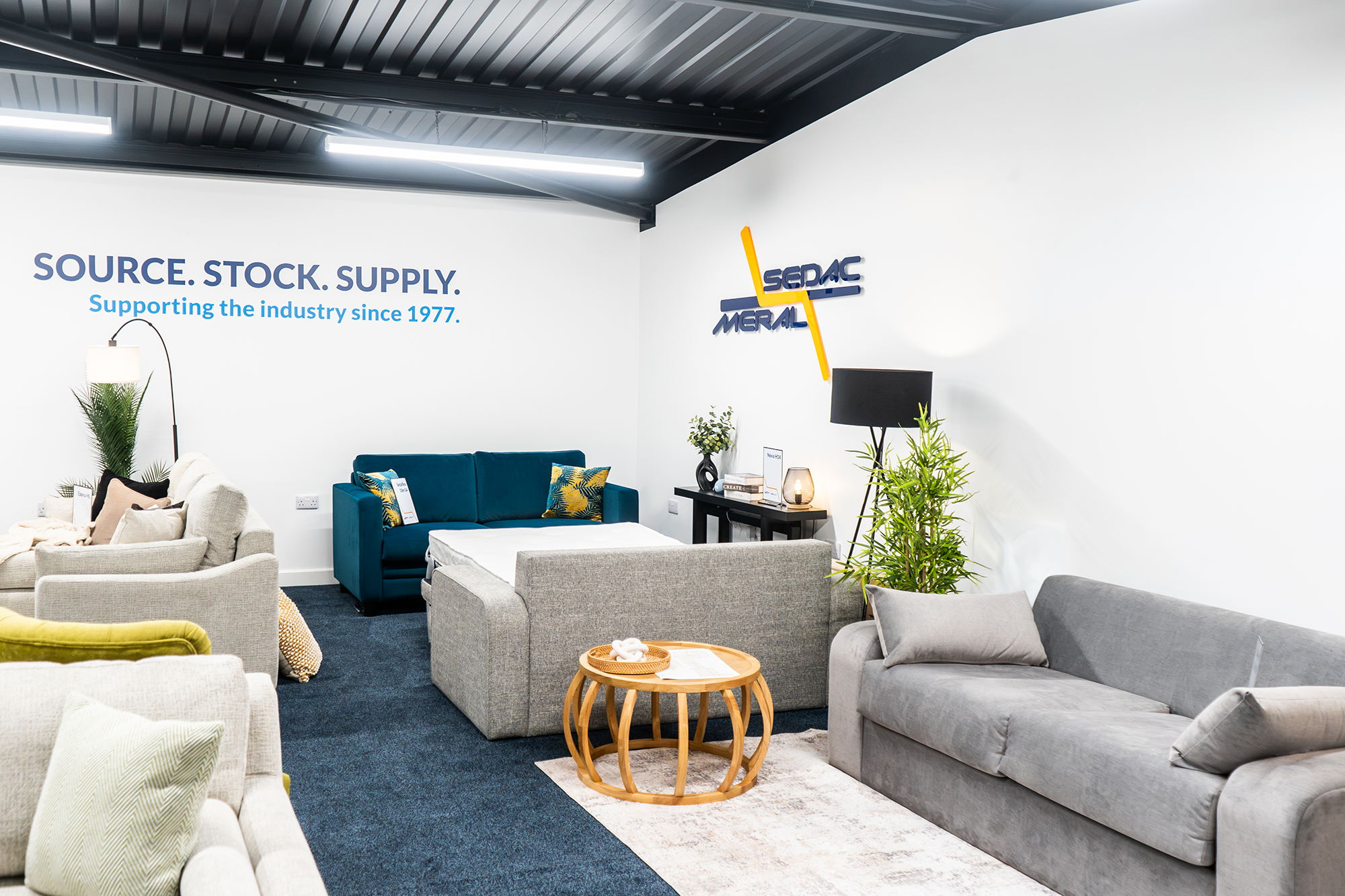
Sofa-bed mechanisms are a particular focus for us. The Sedac showroom at Long Eaton gives customers the opportunity to operate mechanisms, compare them properly and discuss how they would work in their furniture. It turns a specification on a page into something they can assess for themselves.
That is the thinking behind our investment. We want to give customers a compelling reason to bring us more of their business, through the range we offer, the knowledge behind it and the support they receive.
4. If there was one message you would like existing and prospective customers to take away from Peter Cook right now, what would it be?
Just ask. There is a good chance you know us for only part of what we can do.
A customer might have bought the same product from us for years without ever discussing the other components they use. We have a responsibility to make our wider offer clearer, and that is something we are working on.
My message is simple: show us what you are making. Tell us what is difficult to source, what causes delays and where you think a component could work better. Give us the opportunity to look at it.
There can be real value in a relatively small change. A more suitable component, fewer separate orders or a simpler supply arrangement can save time every week. Across a production operation, that adds up.
You do not need to arrive with the answer. Bring us the requirement, and let us do some of the work.

5. What is your outlook for the UK upholstery sector over the next six to twelve months? Are there reasons to be optimistic?
Yes, there are reasons to be optimistic. The UK has considerable upholstery skill, design knowledge and manufacturing experience. Those strengths give the sector something valuable to build on.
But customers still need a convincing reason to spend. Comfort, quality and functionality have to be clear in the finished furniture. The businesses that keep developing that proposition give themselves a stronger chance of winning orders.
I would be wary of predicting a sudden recovery across the whole market. Equally, waiting for conditions to improve is not much of a strategy. There is work we can do now: review specifications, resolve recurring production problems and explore components that could improve a product or simplify its manufacture.
That is where manufacturers and suppliers need to work closely together. We cannot control consumer confidence, but we can take responsibility for the quality of our own decisions and the usefulness of the support we provide.
Our focus is on helping customers move their plans forward. When they see an opportunity, we want Peter Cook to be ready to help them pursue it.
6. Are there any upcoming trade shows, exhibitions or industry events where customers can catch up with Peter Cook?
We don’t have any upcoming shows planned at the moment. Our focus is on welcoming customers to Long Eaton and making the most of the showroom and facilities we have invested in.
Shows are valuable, but having our own space means customers can visit throughout the year, spend time with the team and look at products at their own pace. In the Sedac showroom, they can try the sofa-bed mechanisms, compare the options and talk through how they might work within their own furniture designs.
We want those visits to be relaxed and useful. The kettle is always on, the coffee machine is ready, and there are pastries and pop too. Whether you have a particular project in mind or simply want to see more of what Peter Cook can offer, you will be very welcome.
For us, face-to-face time is about getting to know our customers and understanding what they need. If you would like to visit, give us a call so we can make sure the right people are available and set aside time for a proper catch-up.
7. When we last visited Peter Cook’s Long Eaton branch, the upgraded trade counter and showroom were a major talking point. How have things progressed since then?
The purpose of the investment was to make Long Eaton more useful to customers. We wanted a welcoming trade counter, the opportunity to see products properly and space for more detailed conversations.
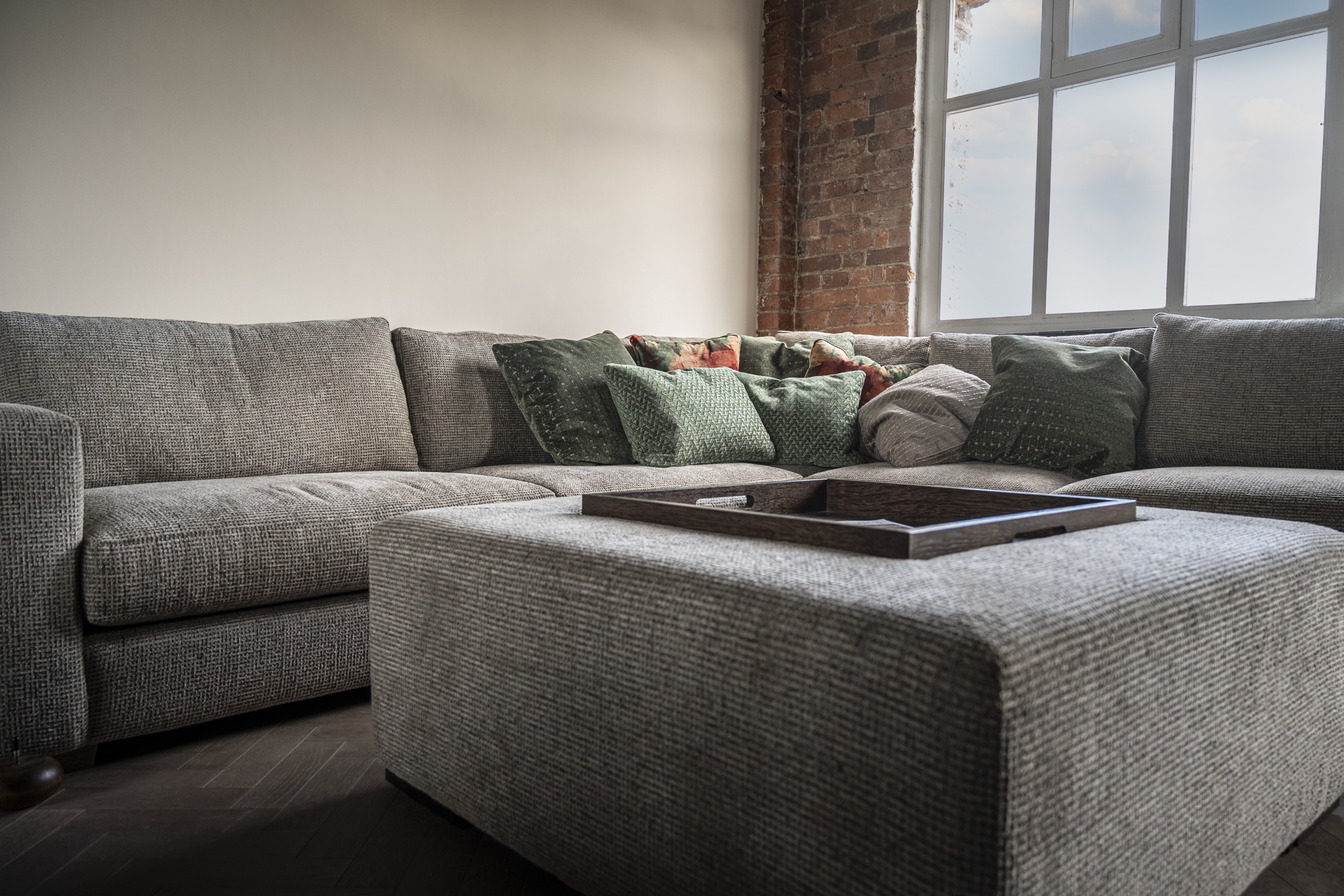
The dedicated Sedac showroom adds something particularly valuable. A mechanism is much easier to understand when you can operate it, see how it moves and discuss how it could work within a furniture design. It helps customers ask more informed questions and gives our team a better opportunity to explain the options.
We also see value in what we learn from those visits. Hearing how customers intend to use a product, and what they need from it, helps us understand where our support and range should develop.
The facilities give us a stronger base for those relationships. The next step is to keep encouraging customers to use them.
8. Finally, as Peter Cook builds on its established reputation and broadens its offering, what are the main priorities for the business?
Our priority is to earn a bigger role in our customers’ businesses. That means being consistently good at the essentials: suitable products in stock, dependable supply, clear information and people who take ownership.
It also means developing the range with purpose. Every addition should solve a problem, meet a requirement or open up an opportunity for customers. We need to understand the products we sell and provide the support that makes them useful.
We also have to make the breadth of Peter Cook easier to see. If an established customer is buying elsewhere because they do not realise we can help, that is something we need to address.
In 2027, Peter Cook reaches 50 years in business. I am proud of that history and grateful to the customers, colleagues and suppliers who have helped build it. But longevity does not remove the need to keep proving yourself.
The ambition is to build on that experience, strengthen our supplier partnerships and make Peter Cook the first call for more of our customers’ requirements. We have invested in the business because we believe there is more to achieve.