
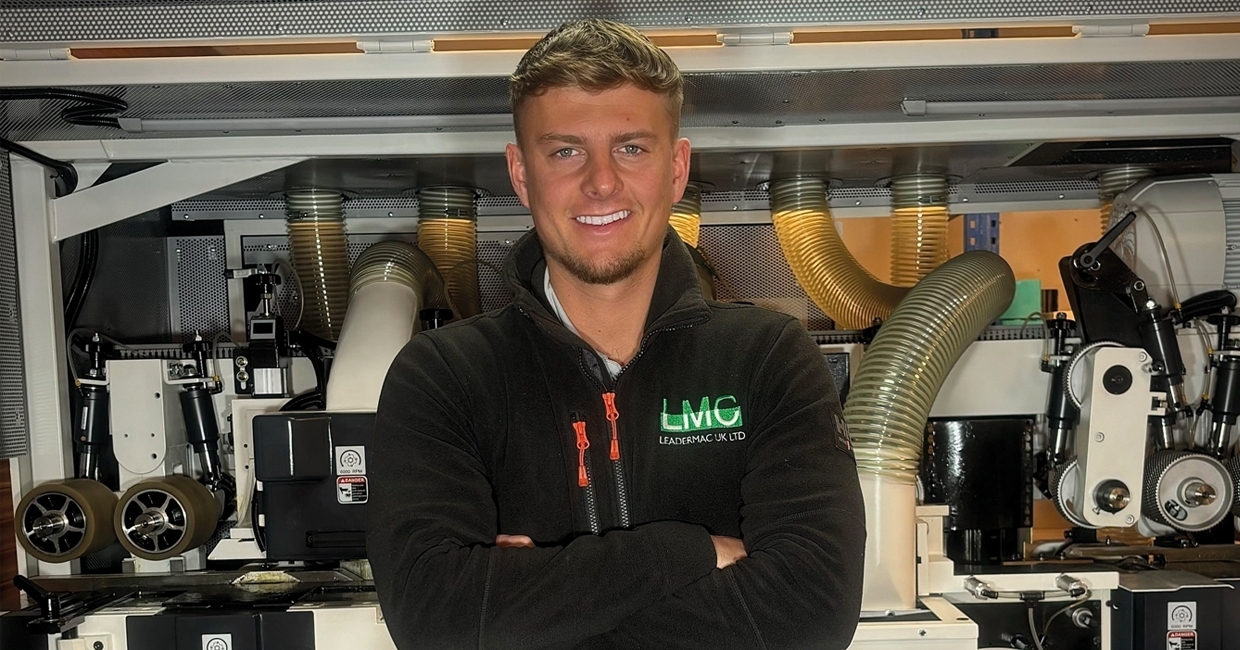
As production demands increase across the woodworking sector, manufacturers are placing greater emphasis on reliability and availability. Furniture & Joinery Production spoke with Fred Wright, Director at Leadermac UK, about the company’s investment for 2026 and its service-led approach to keeping production moving.
Leadermac UK has supported the British woodworking industry for more than 20 years. How would you describe the company’s focus today?
At its core, it’s still about looking after customers properly – and that’s always been the case. What’s changed is how critical parts and tooling availability and support have become. Today, our focus is on making sure customers can keep producing, whether that’s through the right machine, the right tooling, or simply having a spare part available when it’s needed.
You’re expanding machinery, tooling and spares support for 2026. What’s behind that decision?
A lot of it comes down to conversations we’re having every day. Lead times are tighter, production schedules are under pressure, and manufacturers have little or no margin for disruption these days.
We’ve invested to make sure we can react quickly and take some of that pressure away from our customers.
From the customer’s point of view, what difference will that actually make?
Well it certainly makes things simpler. Parts are available, tooling is on the shelf, and support is close at hand. That confidence alone makes a big difference when you’re trying to keep machines running day in, day out.
Downtime is still one of the biggest headaches for manufacturers. How do you help minimise it?
In many cases, downtime comes down to one component and that can be a relatively simple item, and if it’s not available, everything stops. We believe we’ve built up what is probably the largest stock of genuine Leadermac spare parts in the UK, so we can get critical items out the door quickly, often the same day. That resourcefulness and speed really matters.
What does good service look like to you at Leadermac UK?
For me, it’s about doing things properly and standing by customers. That means experienced engineers, straightforward advice, and getting it right first time. If our customers are producing without problems, then we’re doing what we set out to do.
The Smartmac and Compact moulders continue to be popular in the UK. Why do customers keep coming back to them?
They’re honest machines, well built and reliable. They do exactly what they’re supposed to do, day after day. We see them working in all sorts of environments, from smaller workshops to high-output factories, and they just get on with the job. That reliability is why they’ve stood the test of time.
You also support customers running other moulder brands. Why is that important for you?
Because that’s the reality of most workshops. Very few customers run a single brand across their entire production line. If we can help keep everything running, not just Leadermac machines, then we’re genuinely adding value rather than limiting support.
Tooling has become a bigger part of the business. How does the expanded tooling directory help customers?
Tooling has a big impact on performance, but it can be confusing. Our directory is there to make life easier, to help customers see what’s available, what’s compatible, and what will work best for their application.
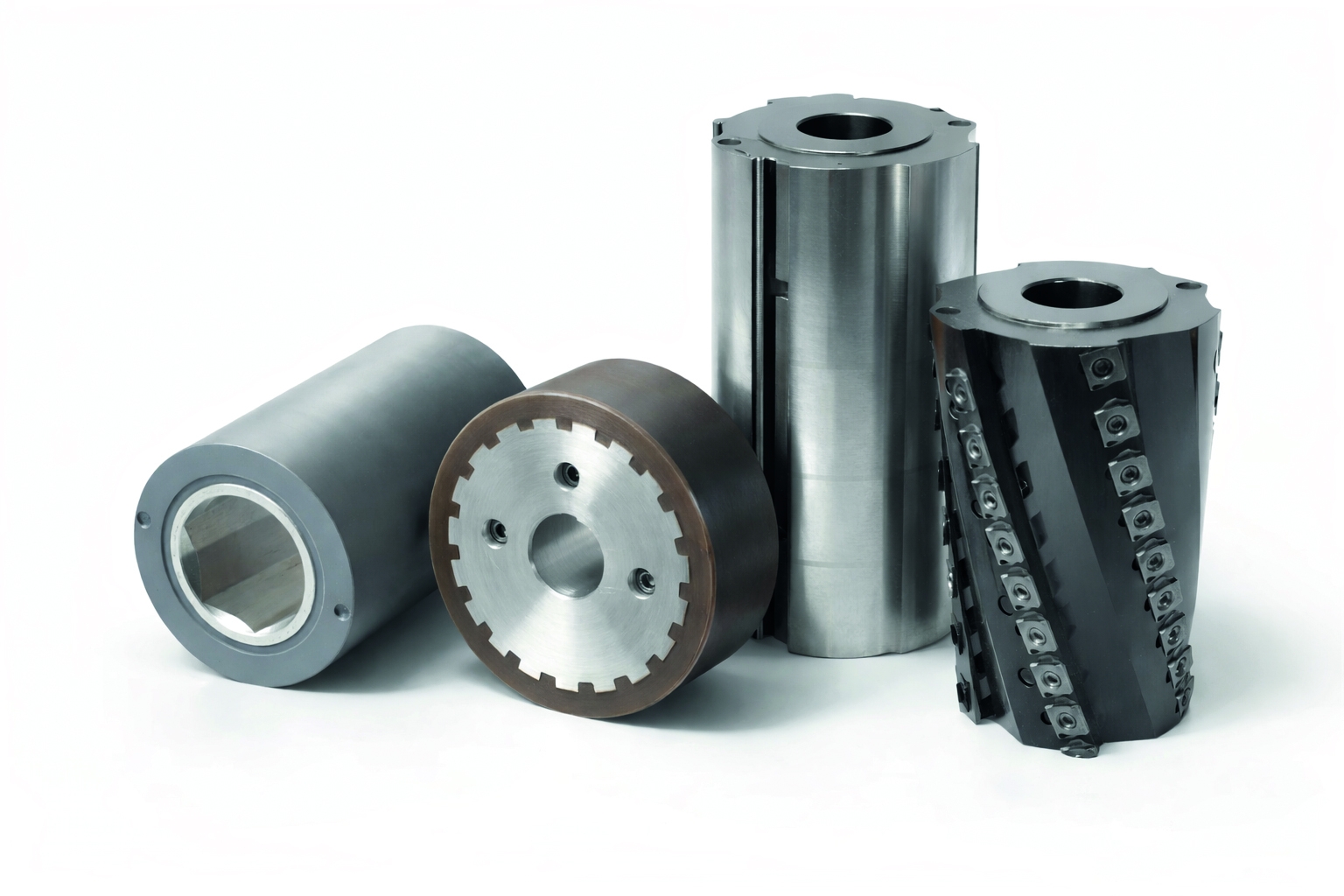
Feed rollers and cutterheads don’t always get much attention. Why should they?
Because when they’re wrong, you will know about it very quickly. They are important because they affect grip, stability, and finish quality. Getting them right makes everything run more smoothly and avoids problems further down the line.
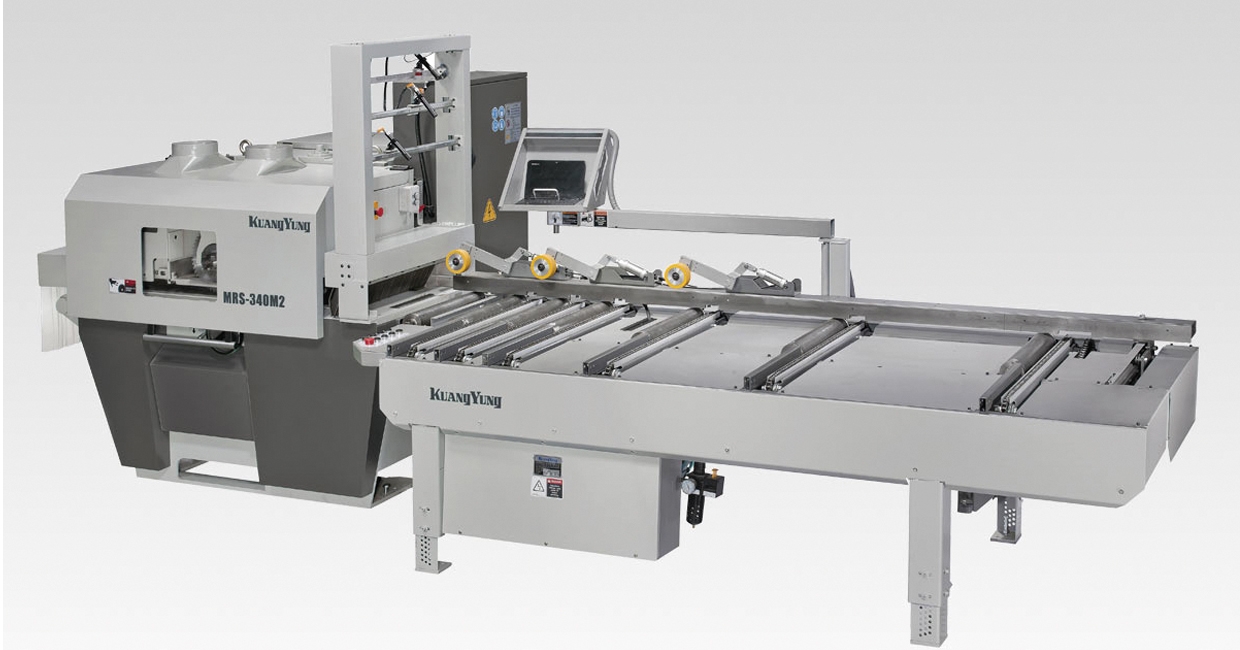
How do Kuang Yung multi rip saws fit alongside Leadermac moulders?
They work really well together. Accurate ripping sets everything up properly for moulding, and Kuang Yung machines are built to handle that consistently. When customers link the two, they end up with a much more efficient, predictable production process.
Finally, what opportunities do you see for furniture and joinery manufacturers?
I think there’s a real opportunity for UK manufacturers who invest in efficiency and quality. Customers are demanding consistency, shorter lead times and more flexibility, and that plays to the strengths of well-run, well-equipped workshops. Those who focus on reliable processes, the right machinery and tooling, and strong in-house capability will be well placed.
There’s no question the market is competitive, but manufacturers who control their production and minimise downtime can still compete very effectively.