The seriousness of airborne wood dust cannot be underestimated. Exposure can lead to occupational illnesses such as asthma and more seriously, nasal cancer where hardwood dust is concerned.
Controlling dust is not only a welfare exercise, but a legal requirement, to protect your workforce and the environment from wood dust, chips and shavings.
Dust Control Environmental which lays claim to “the largest range of dust extraction systems in the UK”, can supply, install and maintain dust extraction systems designed specifically to handle this type of fine and fibrous dust.
Choose the right dust extractor
It is recommended that wood dust is controlled at source, to prevent it becoming airborne, with an appropriate dust extraction (LEV system). Each woodworking operation has a different requirement so engaging with a reputable company to provide a compliant and efficient dust extractor for your process is key.
With a wealth of expertise, qualifications and experience, Dust Control Environmental can attend a client’s site (free of charge) to assess requirements. Specifics for an appropriate dust extractor including an assessment for fire and explosion protection measures, will be noted.
Wood dust collectors
Dust Control Environmental has dust filters designed to control wood dust, chips and shavings:
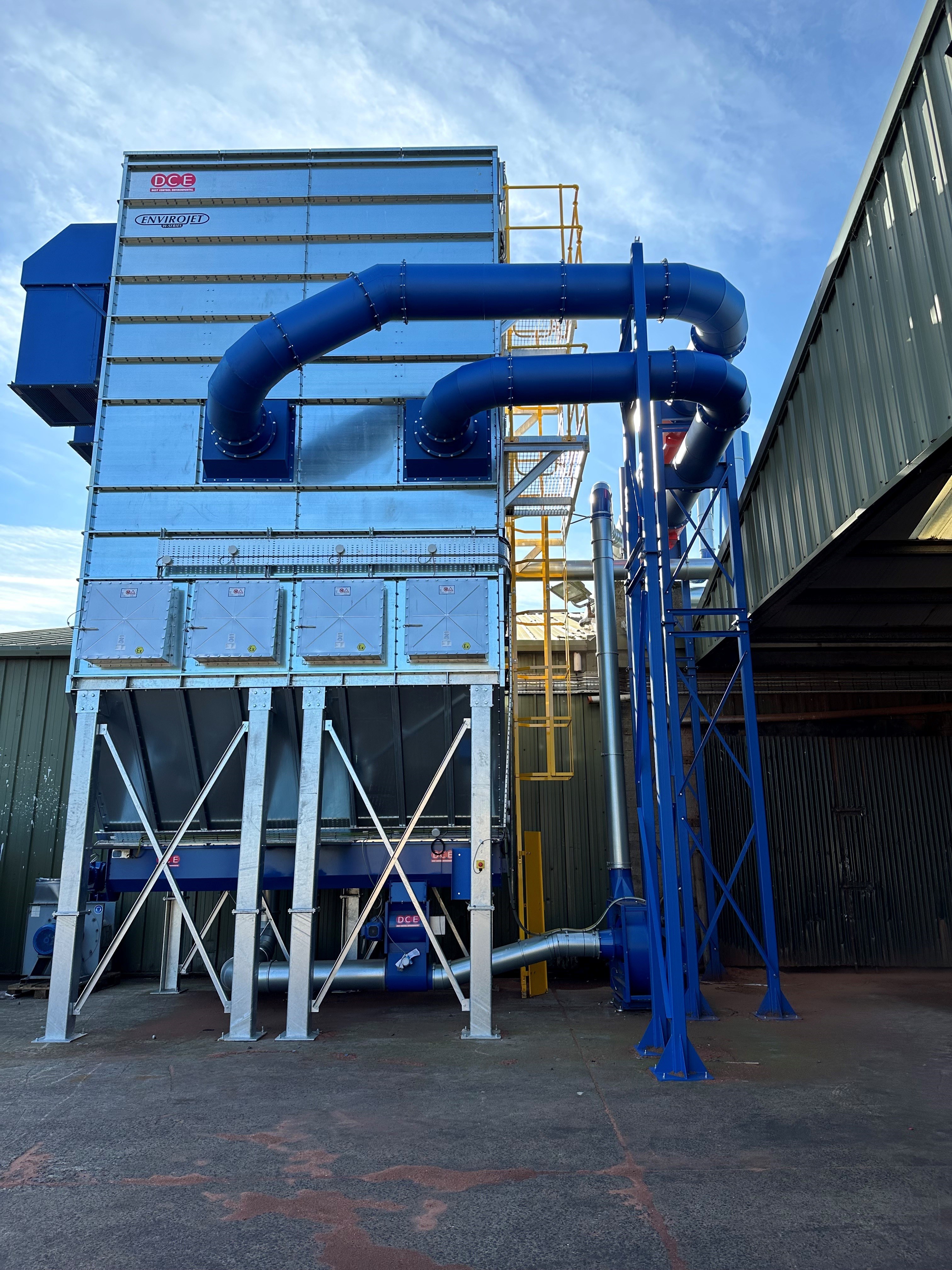
The Envirojet-W Series handles fine and fibrous dust. The innovative cascading fan system allows for on-demand extraction in accordance with operational points. It can provide up to 50% energy savings with suction remaining above the HSE guidance of 18m/s.
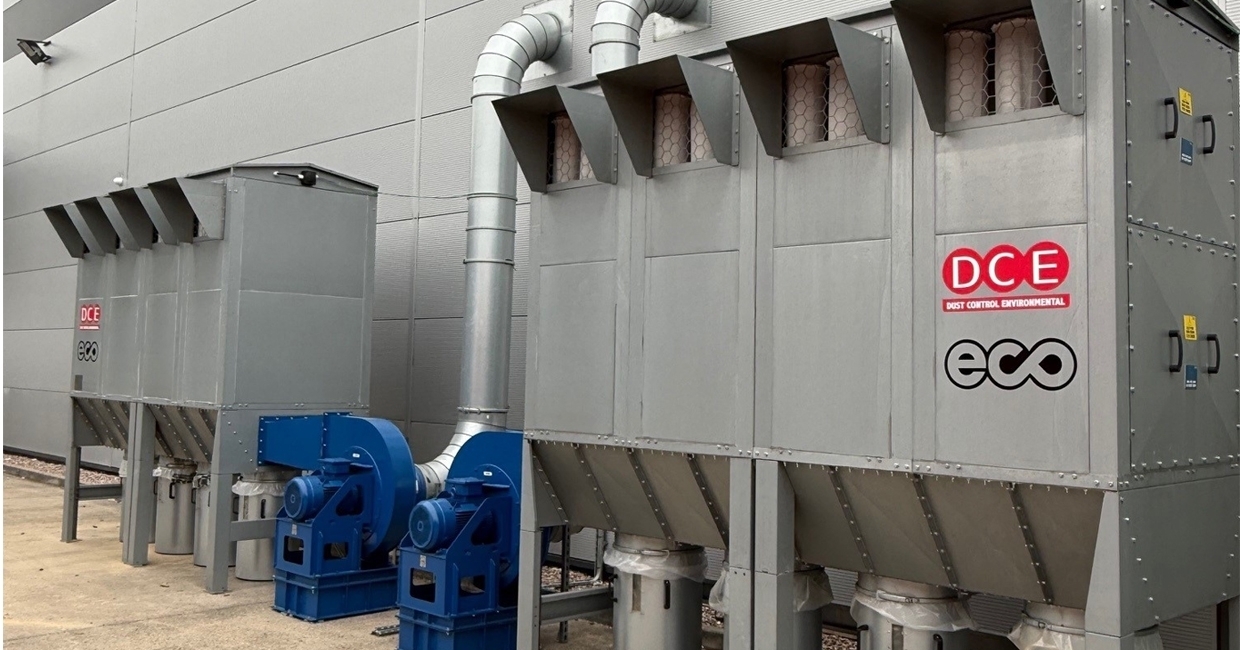
Eco: A compact footprint with high-performance extraction – great for smaller woodworking facilities. It incorporates Ultrafilter anti-static bag technology for fire and explosion risk reduction.
The new Tornado Fibre Filter handles fibrous materials using highly efficient cartridge filtration for ultra-low emissions. With a compact footprint, ATEX compliance and flameless vent options.
Reuse & reduce carbon footprint
Dust Control Environmental can integrate wood waste collection and transport options into its dust extraction system, providing reuse options such as briquetting or biomass routes along with recycling capabilities. This process can offset carbon footprint and offer greener waste operations for wood working businesses.
Maintenance is key to retaining compliance
For a Dust Collector to maintain performance and compliance, regular maintenance is key. The HSE states that a documented regular check on filters, ductwork and airflow indicators is essential, with remedial work to be logged and carried out in a timely manner.
Regulations demand that dust collectors, or LEV systems undergo a thorough test and examination (TExT), LEV test at the minimum every 14 months.
The Aftermarket division of Dust Control Environmental is a true one-stop-shop for LEV testing carried out by P601 certified engineers, remedial and maintenance work, parts & spares.
01924 335500