
Sustainability is becoming an increasingly important consideration across the furniture and joinery sector, and for Mirka, it is not a buzz word but an essential part of the company’s DNA.
Mirka is taking a long-term approach to sustainability, with large outlays of investment designed to reduce energy consumption and carbon emissions across its manufacturing operations.
One of the key areas Mirka has focused its energy on is fossil-free electricity generated by hydropower across its production facilities in Finland. This investment takes time to bear fruit, but the business is aiming for a 55% reduction in greenhouse gas emissions by 2035, and is striving to achieve net-zero emissions by 2050.
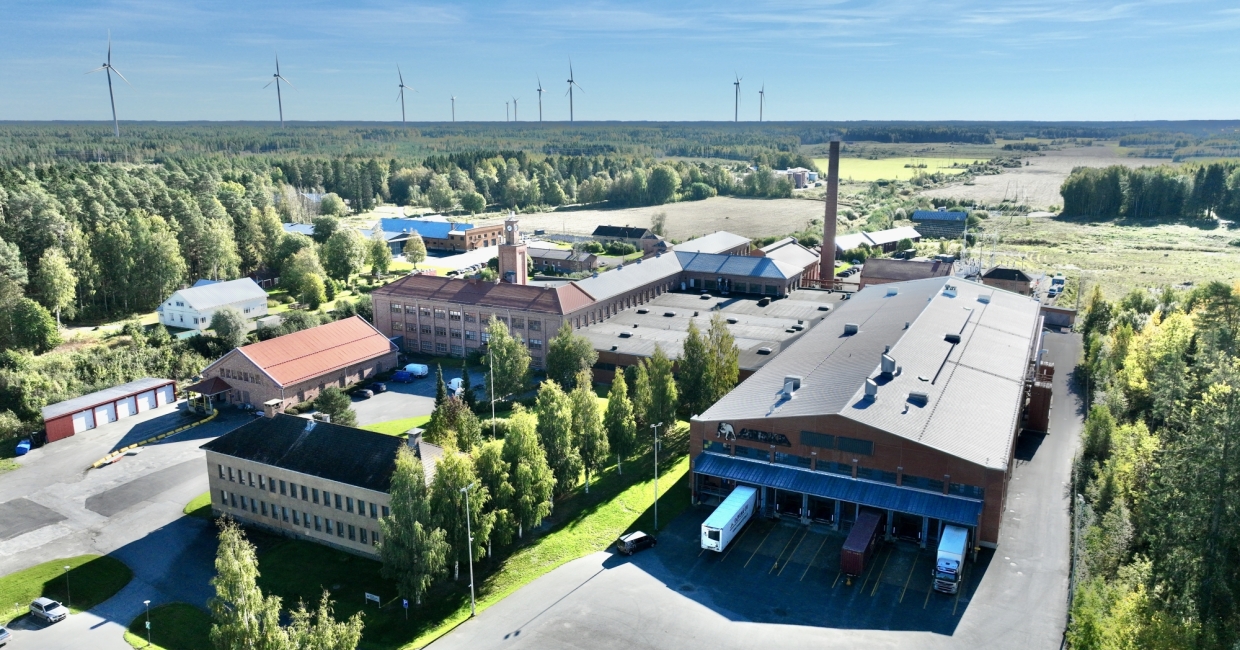
Mirka is also committed to the continued introduction of energy-efficient options to achieve these goals. At its production facility in Jakobstad, Finland, there is a geo-energy solution using geothermal holes, which is expected to reduce annual carbon dioxide emissions by around 900 tonnes.
While at its Oravais plant, Mirka has installed a purification and heat recovery system that enables the site to move away from oil heating and make use of recovered energy from excess heat.
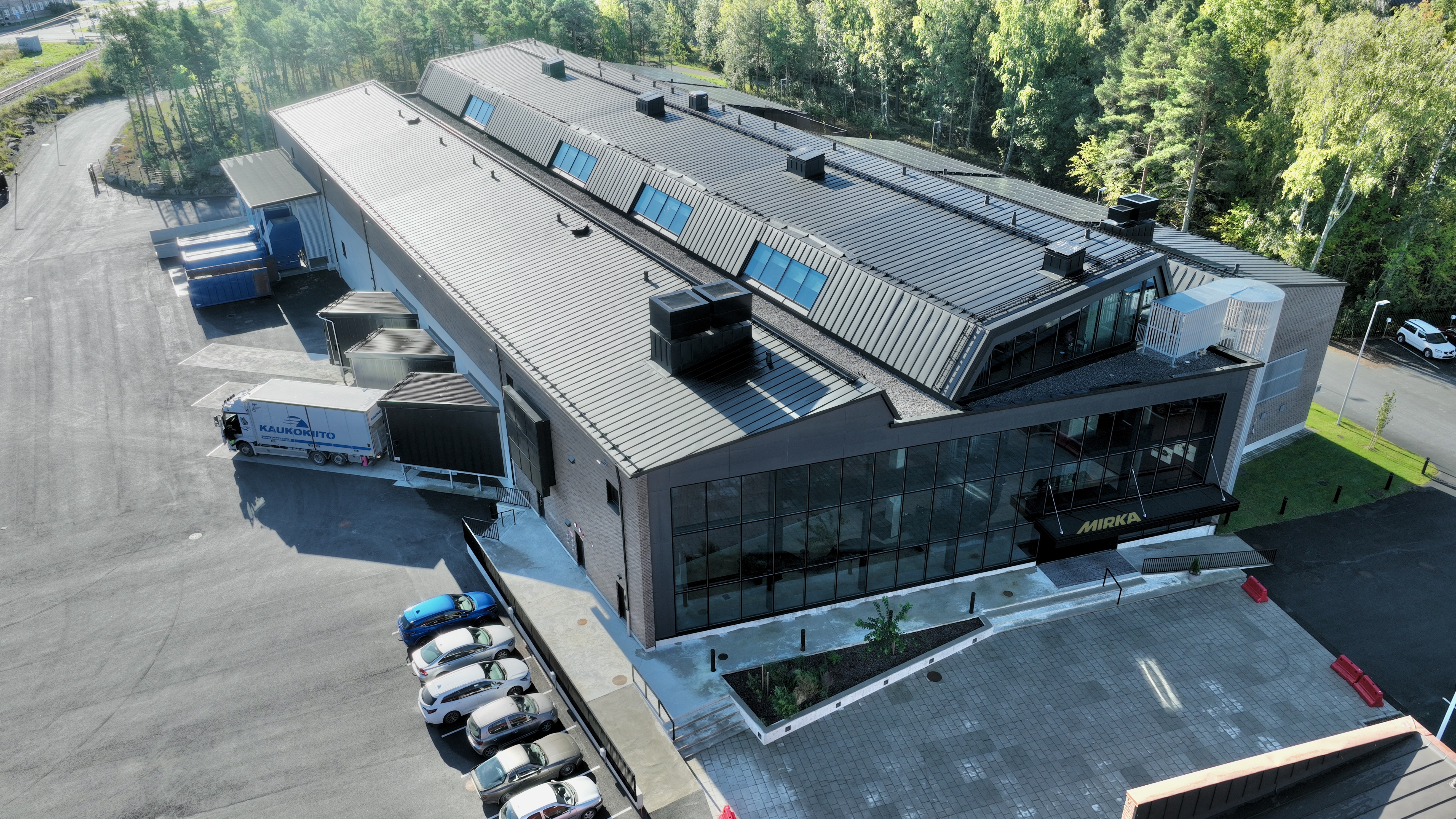
Product lifecycle is another key focus, with Mirka aiming for 70% of its products to be recyclable by 2035. This is supported by a €25m circular grain manufacturing plant in Finland, designed to sort, clean and prepare incoming recycled materials while screening and classifying grains for reuse. The aim is to maximise the lifecycle of products and reduce waste both internally and from external sources.
For furniture and joinery manufacturers, sustainability can also be addressed through the production process itself. It is not simply about the materials used in a finished product, but how efficiently materials, machines and energy are used throughout production.
In a busy workshop, even small inefficiencies can quickly add up. Excessive sanding, repeated handling, unnecessary rework or using more material than required can all increase energy consumption, waste and production time. Improving these processes can help manufacturers get more from each component, reduce waste and use energy more efficiently without compromising productivity or quality.
Ultimately, sustainability does not always require major changes to the way a workshop operates. Often, it starts with making existing processes more efficient, so that more is achieved from every stage of production. Sustainability is here to stay, and there are many ways manufacturers can make it a greater part of their operations.