
When manufacturers compare cutting tools, purchase price is often the first figure considered. In practice, however, the cheapest tool is rarely the lowest-cost option once tool life, machining consistency, downtime and servicing are taken into account.
For manufacturers machining MDF, chipboard, laminated panels, solid timber or composite materials, tooling performance has a direct impact on productivity. A cutter that loses its edge quickly, produces an inconsistent finish or requires frequent replacement can increase machine downtime and labour, while also risking rejected components and missed production targets.
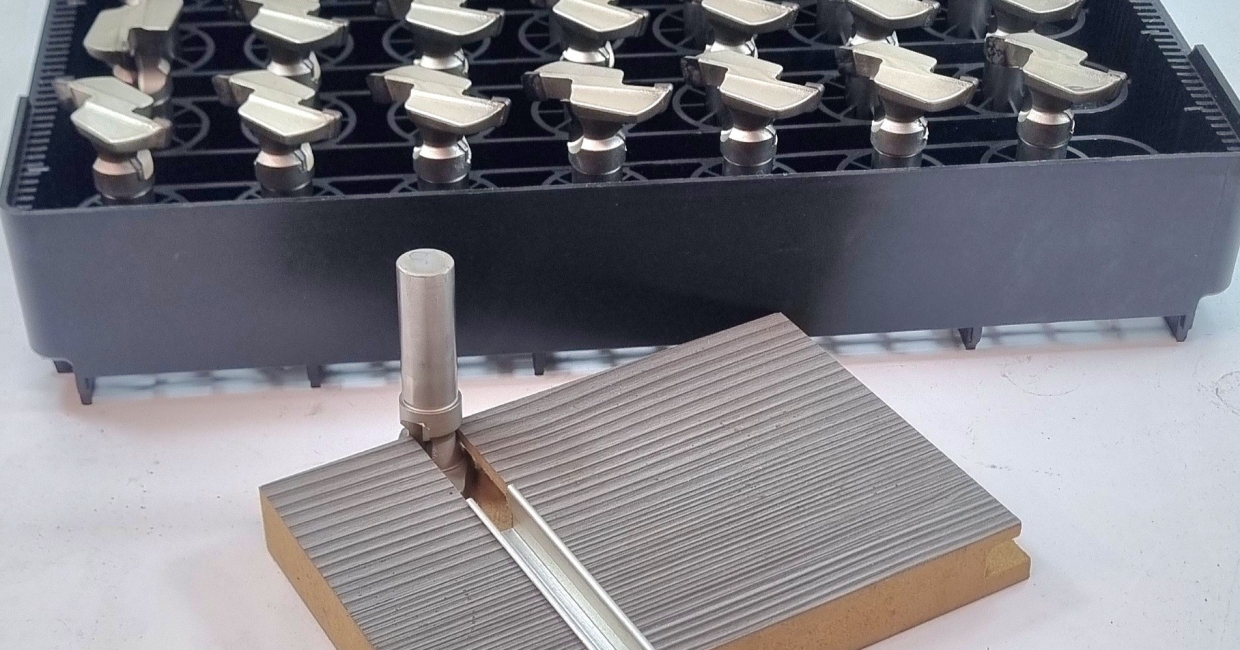
This is why tool design matters. Geometry, clearance angles, cutting-edge quality and the grade of PCD or carbide all influence how a tool performs in a specific application. Standard catalogue tooling is suitable for many jobs, but where production volumes are high or machining conditions are demanding, a bespoke tool can often provide better performance and a lower cost per component.
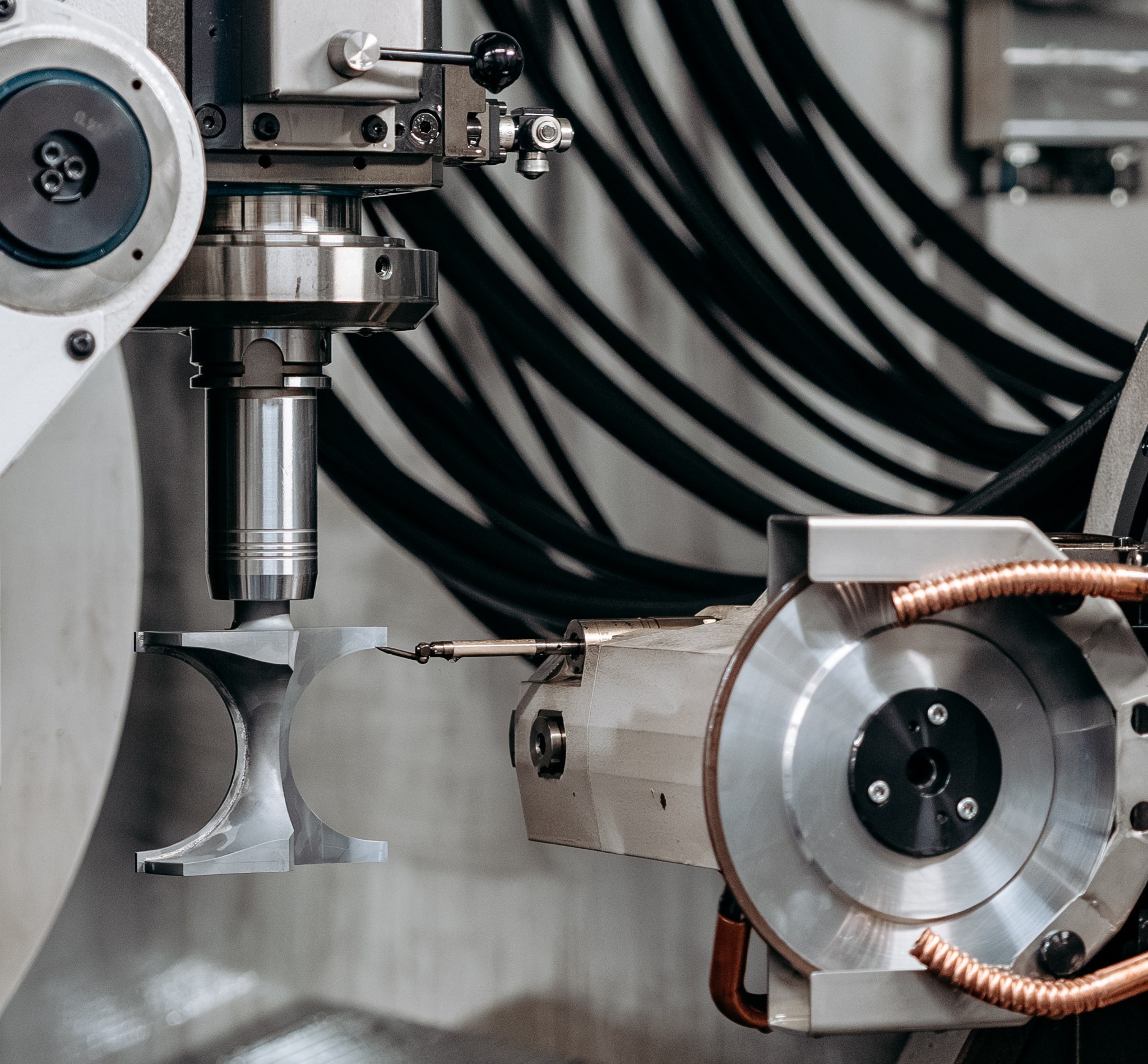
Servicing is another important part of the calculation. High-quality PCD and carbide tools are designed to be maintained. Re-sharpening, re-tipping and repairing suitable tooling can extend its working life considerably and reduce the need for complete replacement. For manufacturers running the same tooling repeatedly, a reliable servicing programme can also make production planning easier and reduce the risk of unexpected tool shortages.
Prima Tooling manufactures and services standard and bespoke PCD, TCT, carbide and HSS cutting tools in the UK. Much of its work involves helping manufacturers improve existing tooling rather than simply supplying a like-for-like replacement. That may mean changing geometry to improve finish, increasing tool life, modifying an existing design or producing a bespoke cutter around a particular machining process.
The best measure of a cutting tool is therefore not simply what it costs to buy. It is what it costs to use over its full working life.
For manufacturers reviewing tooling performance, the most useful questions are often: How long does the tool remain productive? How consistent is the finish? How often does production stop for a tool change? And can the tool be economically serviced and returned to production?
Looking at those factors together gives a much clearer picture of the true cost of CNC tooling.