



There’s something reassuring about a manufacturing business reaching its 40th or 50th anniversary. Materials, production technology and customer expectations have changed enormously, making longevity no small achievement.
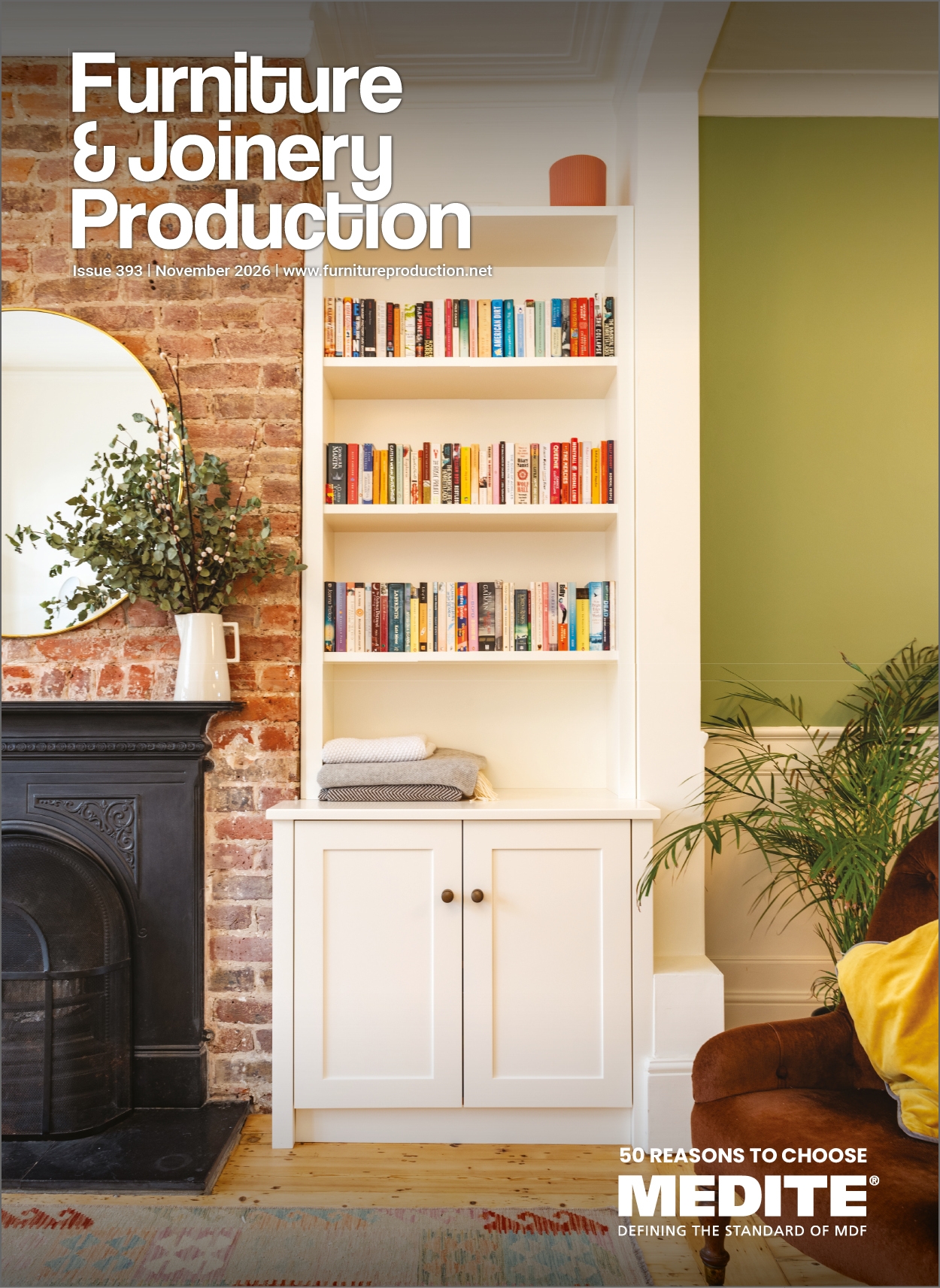
From Starbank Panel Products’ 50 years in manufacturing – explored by John Legg on page 18 – to MEDITE marking five decades of MDF production (page 26), both businesses have evolved alongside their customers, adapting their products and processes to changing industry needs.
That balance between continuity and change also emerges in this issue’s machinery stories. Wood & Wire’s investment in a HOMAG DRILLTEQ V-200 shows how upgrading production doesn’t always mean replacing existing machinery. With its nesting machine still running well, the company chose to add drilling and biscuiting capabilities, automating previously manual processes and allowing work to move straight from machining to assembly. The new machine also provides valuable backup, helping production continue if the existing machine goes down.
For other businesses, developing capability means building on established skills and expanding what they can offer. Blunts Joinery Supplies’ purchase of a WEINIG Profimat 50 highlights the continuing importance of precision moulding in joinery production, while Top Build Carpentry’s use of Lamello systems shows how the right joining solutions can support accurate assembly and efficient installation.
Of course, machinery and materials only go so far without the people who know how to use them. As technology develops, practical experience remains valuable, alongside the training needed to get the best from newer systems. Making time for skills development is not always easy, particularly for smaller businesses, but it is an important part of maintaining quality and improving production.
The businesses featured in this issue are at different stages and face different challenges, but they share a need to keep adapting. There is no single approach that works for everyone. Understanding customers, investing where it makes sense and maintaining quality remain just as important as they have always been. The methods may change, but those fundamentals endure.
